Spray and Pray Prospecting creates noise, not revenue. Salaria Sales helps B2B teams replace mass outreach with precision targeting, Human-AI sales strategies, and pipeline quality that actually converts.
Many B2B companies still rely on high-volume outbound tactics to generate leads quickly. The logic seems simple. More emails, more calls, and more outreach should create more opportunities. However, modern buyers have changed, and outdated prospecting methods are now damaging pipeline quality instead of improving it. Spray and Pray Prospecting floods inboxes with generic messaging, targets poorly matched accounts, and creates weak sales conversations that rarely convert into revenue. The result is wasted SDR effort, declining engagement rates, and sales pipelines filled with low-quality opportunities. Poor ICP Definition makes the problem even worse because sales teams spend time targeting prospects who are unlikely to buy. Today’s outbound sales development requires precision, personalization, and relevance. Businesses that focus on buyer intent, targeted prospecting, and a Human-AI sales approach are outperforming companies still relying on outdated volume-based strategies. In this article, we explore why Spray and Pray Prospecting fails and how modern B2B teams can build stronger pipelines through precision targeting and smarter outbound strategies.
What Is Spray and Pray Prospecting
Spray and Pray Prospecting is a high-volume outbound strategy where businesses send generic outreach messages to large groups of prospects without proper targeting or personalization.
1. Understanding the Spray and Pray Approach
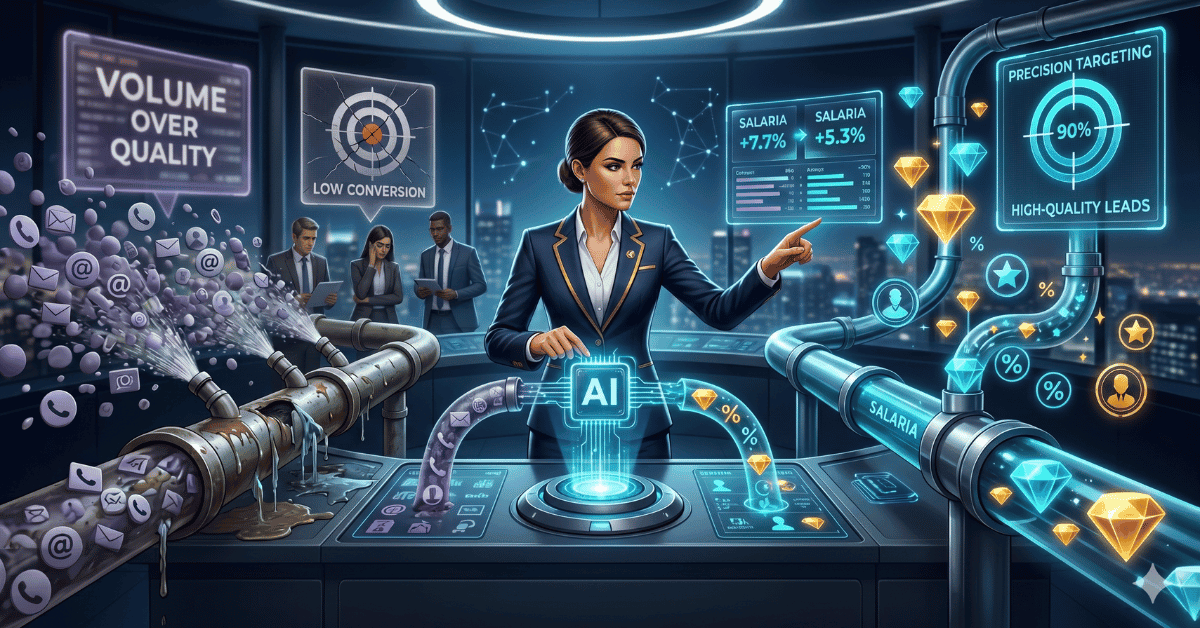
The Spray and Pray model focuses heavily on outreach quantity instead of outreach quality. Sales teams often send thousands of emails or cold calls hoping that a small percentage of prospects respond. This approach prioritizes activity metrics such as email volume and call counts over actual conversion performance. While it may create the appearance of pipeline growth, it often leads to poor-quality opportunities. Buyers today are more informed and selective, making generic outreach far less effective than it once was.
2. Why Spray and Pray Became Popular
Many businesses adopted Spray and Pray Prospecting because automation tools made it easy to scale outreach quickly. Large contact databases and automated email systems allowed SDR teams to contact thousands of prospects with minimal effort. Early outbound success stories also encouraged businesses to focus on volume-based tactics. However, buyer expectations have evolved significantly over the last few years. Modern decision-makers expect relevant, personalized communication rather than mass outreach campaigns.
3. The Shift Toward Precision Prospecting
The rise of buyer intent data, AI-driven targeting, and advanced analytics has changed how successful outbound sales development works. Companies are now prioritizing precision prospecting strategies that focus on identifying the right buyers instead of reaching everyone. Personalized outreach consistently outperforms generic messaging because it aligns with real buyer needs. Businesses moving away from Spray and Pray Prospecting often experience higher response rates, stronger engagement, and improved pipeline quality.
How Poor ICP Definition Weakens Pipeline Quality
An unclear Ideal Customer Profile creates one of the biggest challenges in B2B lead generation and outbound sales development.
1. Weak ICPs Lead to Bad Targeting
Poor ICP Definition causes SDR teams to target accounts that are unlikely to convert into customers. Many businesses define their target audience too broadly, focusing only on industries or job titles without understanding deeper buyer characteristics. This creates inefficient prospecting efforts and low-quality conversations. Sales teams waste valuable time on prospects who do not have the right budget, authority, or business need. Strong ICP development helps businesses focus their resources on accounts with the highest conversion potential.
2. Generic Messaging Reduces Engagement
Without a clear ICP, outbound messaging becomes too broad to resonate with buyers. Generic outreach fails to address specific pain points, operational challenges, or business goals relevant to the prospect. Buyers can easily recognize automated messaging that lacks relevance or personalization. This leads to lower open rates, fewer replies, and weaker engagement across outbound campaigns. Personalized messaging built around a strong ICP consistently drives better sales performance.
3. Poor ICPs Increase Sales Inefficiency
Sales inefficiency grows when SDR teams pursue poorly matched leads. Account executives spend time on meetings that never progress because prospects were never qualified properly. This slows down the sales process and increases customer acquisition costs. Businesses that improve ICP targeting often shorten sales cycles and improve close rates. Better targeting creates stronger alignment between marketing, SDR teams, and sales leadership.
4. Weak Targeting Hurts Revenue Predictability
Revenue predictability depends on consistent pipeline quality. When outbound teams rely on weak ICPs and broad prospecting strategies, pipeline performance becomes inconsistent. Some campaigns may generate temporary spikes in activity but fail to create sustainable revenue growth. Precision targeting improves forecasting accuracy and pipeline stability. Businesses with well-defined ICPs often build more predictable and scalable outbound systems.
Why Spray and Pray Prospecting Damages Pipeline Quality
High-volume outbound strategies may create activity, but they rarely create sustainable revenue growth.
1. Low-Quality Leads Fill the Pipeline
One of the biggest problems with Spray and Pray Prospecting is the large number of unqualified leads entering the pipeline. Sales teams may celebrate high meeting counts initially, but many of these opportunities lack real buying intent. This creates bloated pipelines that appear healthy on reports but fail to convert into revenue. Poor-quality leads slow down the sales process and reduce overall team productivity. Pipeline quality matters far more than pipeline volume in modern B2B sales.
2. Buyers Ignore Generic Outreach
Modern buyers are overwhelmed with cold emails and outbound messaging every day. Generic outreach that lacks relevance is often ignored immediately or marked as spam. This damages domain reputation and reduces future deliverability rates. Buyers are far more likely to engage with personalized communication that demonstrates understanding of their business challenges. Precision-based outbound sales development creates more meaningful conversations and stronger trust.
3. Sales Teams Burn Valuable Resources
High-volume prospecting consumes significant time, energy, and budget without delivering proportional results. SDR teams may spend hours contacting prospects who were never likely to convert in the first place. This creates frustration and reduces morale within the sales organization. Businesses focusing on quality over quantity often see stronger productivity and better meeting outcomes. Efficient outbound strategies maximize both team performance and ROI.
4. Brand Reputation Suffers
Aggressive mass outreach can damage how prospects perceive a company’s brand. Buyers increasingly associate spam-like prospecting with low-value services or poor customer experiences. Negative prospect experiences can impact long-term market reputation and future sales opportunities. Companies that prioritize thoughtful, personalized outreach often build stronger trust and brand credibility. High-touch prospecting creates more positive buyer interactions throughout the sales journey.
How Modern B2B Teams Build Better Pipeline Quality
High-performing sales teams are replacing outdated volume tactics with more strategic outbound approaches.
1. Define a Precise Ideal Customer Profile
A strong ICP includes detailed information about the businesses most likely to benefit from your solution. This may include company size, operational challenges, industry trends, revenue range, and buying triggers. Detailed ICPs improve targeting accuracy and outreach relevance. Businesses should regularly update ICP definitions based on customer insights and market changes. Better ICP development creates stronger pipeline quality and improved conversion rates.
2. Use Intent-Based Prospecting
Intent-based prospecting focuses on identifying buyers actively researching solutions or showing signs of purchase readiness. These signals may include content engagement, hiring activity, funding announcements, or technology changes. Intent data allows SDR teams to prioritize outreach toward high-potential opportunities. Businesses that use intent signals effectively often improve response rates and meeting quality. Timing and relevance play critical roles in modern outbound sales development.
3. Combine AI Insights with Human Expertise
The Human-AI sales approach combines data-driven targeting with authentic human engagement. AI tools help identify patterns, prioritize accounts, and improve outreach efficiency. Human SDRs bring emotional intelligence, strategic thinking, and relationship-building skills to sales conversations. This balance allows businesses to scale personalization without sacrificing quality. Companies using Human-AI outbound strategies often outperform traditional volume-based sales models.
4. Focus on Multi-Channel Engagement
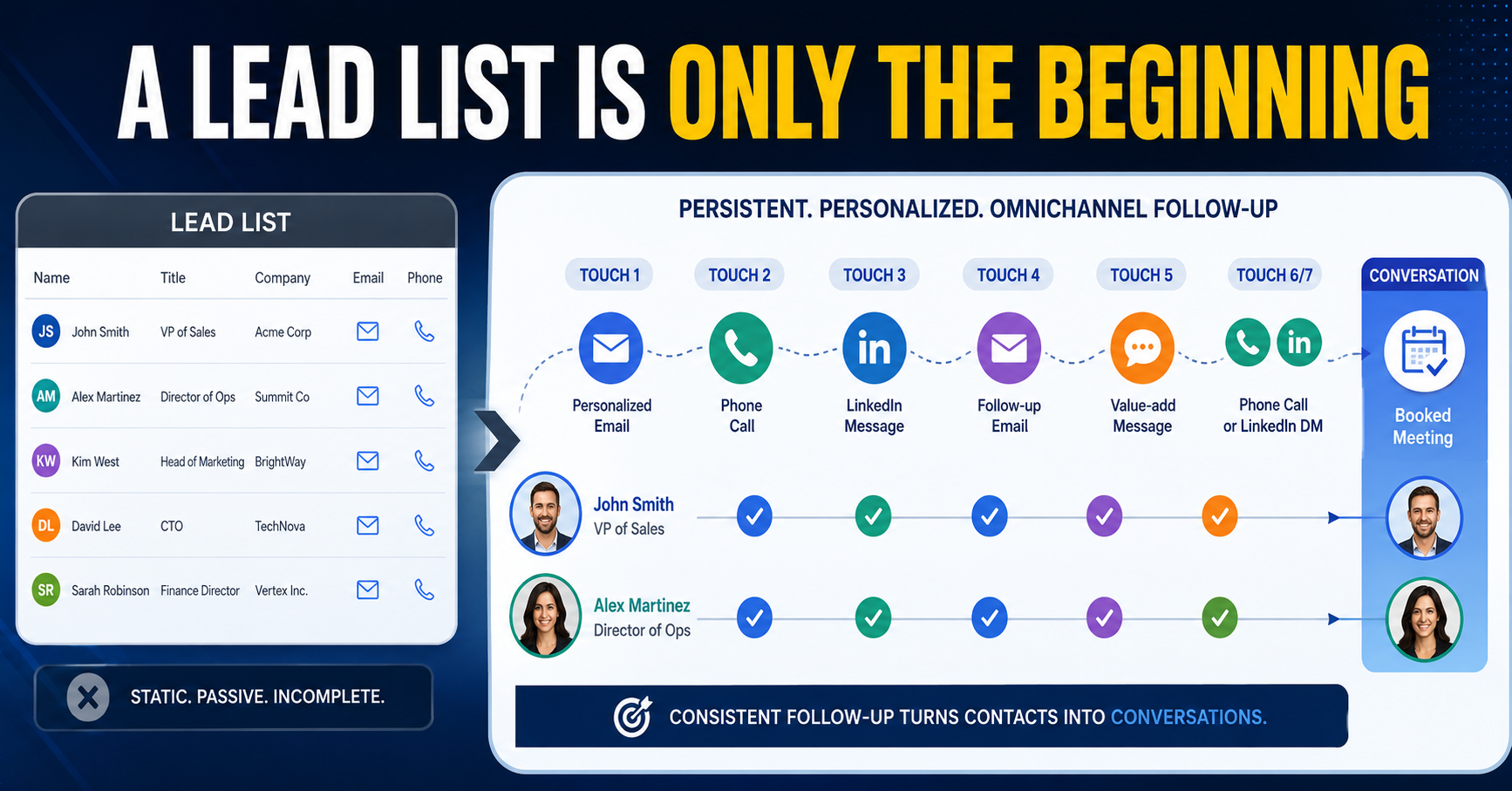
Modern buyers interact across multiple channels before making purchasing decisions. Successful outbound sales development combines email, cold calling, LinkedIn engagement, and strategic follow-ups. Multi-channel outreach creates stronger visibility and increases the chances of engagement. Consistency across channels helps build trust and familiarity with prospects. Businesses that diversify outreach methods often improve both response rates and pipeline quality.
Services Provided by Salaria Sales
Salaria Sales helps businesses move beyond outdated Spray and Pray Prospecting strategies by focusing on precision targeting, personalized engagement, and high-quality pipeline development. As a Full-Service B2B Sales & SDR Outsourcing Agency, Salaria Sales combines outbound sales development, SDR outsourcing, and B2B lead generation into a scalable growth strategy designed for modern buyers. The team works closely with clients to refine Ideal Customer Profiles, identify high-intent prospects, and create outreach campaigns that align with real buyer needs. Using a Human-AI sales approach, Salaria Sales combines advanced targeting technology with skilled SDR professionals who build meaningful conversations across email, phone, and LinkedIn channels. Instead of relying on mass outreach that damages pipeline quality, Salaria Sales prioritizes relevance, timing, and personalization. The company continuously optimizes outreach strategies based on engagement data, buyer behavior, and campaign performance. Businesses partnering with Salaria Sales benefit from stronger meeting quality, improved conversion rates, and more predictable revenue growth through precision-driven outbound strategies.
If you want to improve pipeline quality and replace outdated prospecting strategies with a smarter outbound approach, book a meeting with the Salaria Sales team.
Conclusion
Spray and Pray Prospecting may create short-term activity, but it rarely creates sustainable revenue growth. High-volume outreach combined with Poor ICP Definition leads to weak engagement, low-quality meetings, and inconsistent pipeline performance. Modern B2B buyers expect relevance, personalization, and value from every interaction. Businesses that continue relying on outdated prospecting methods risk damaging their brand reputation and wasting valuable sales resources. Precision targeting, buyer intent alignment, and a Human-AI sales approach now define successful outbound sales development. Companies that focus on pipeline quality instead of raw activity metrics are more likely to improve conversion rates, shorten sales cycles, and achieve predictable growth. Strong ICP development and personalized engagement strategies help sales teams build meaningful relationships with the right prospects at the right time. In today’s competitive B2B environment, smarter prospecting always outperforms louder prospecting.
Frequently Asked Questions (FAQs)
1. What is Spray and Pray Prospecting?
Spray and Pray Prospecting is a high-volume outbound strategy where businesses send generic outreach to large numbers of prospects without proper targeting or personalization.
2. Why is Spray and Pray Prospecting ineffective today?
Modern buyers expect relevant and personalized communication. Generic mass outreach often gets ignored and creates low-quality sales opportunities.
3. What is Poor ICP Definition in B2B sales?
Poor ICP Definition occurs when businesses fail to clearly identify the type of customers most likely to buy their solution successfully.
4. How does poor targeting affect pipeline quality?
Poor targeting fills the pipeline with unqualified leads, reduces conversion rates, wastes sales resources, and creates inconsistent revenue performance.
5. What is pipeline quality in outbound sales?
Pipeline quality refers to how closely sales opportunities align with a company’s Ideal Customer Profile and likelihood of converting into revenue.
6. How can businesses improve pipeline quality?
Businesses can improve pipeline quality by refining their ICP, using intent-based prospecting, personalizing outreach, and adopting a Human-AI sales approach.
7. What is a Human-AI sales approach?
A Human-AI sales approach combines AI-driven data insights with human relationship-building skills to improve outbound sales performance and personalization.
8. Why is intent-based prospecting important in outbound sales development?
Intent-based prospecting helps sales teams focus on buyers actively researching solutions, improving engagement, meeting quality, and conversion rates.