B2B Appointment Setting is no longer about mass outreach and generic messaging. Companies that combine human expertise with AI-driven precision are building stronger pipelines, better conversations, and more predictable revenue growth.
B2B Appointment Setting has changed dramatically over the last few years. Buyers are more informed, inboxes are more crowded, and generic outreach no longer delivers consistent results. Many businesses still rely on outdated high-volume prospecting tactics that focus on quantity over quality, but modern buyers expect personalized communication and relevant conversations. This shift has made the Human-AI sales approach an essential part of successful outbound sales development. By combining AI-powered targeting and data analysis with authentic human engagement, businesses can create more meaningful conversations and improve conversion rates. Modern appointment setting is no longer about booking as many meetings as possible. It is about creating high-quality opportunities with decision-makers who match the Ideal Customer Profile and demonstrate buying intent. Companies that embrace this approach are building more predictable pipelines, shortening sales cycles, and improving overall sales performance. In this article, we explore why B2B Appointment Setting now requires a balance of technology, personalization, and strategic human interaction.
What Is B2B Appointment Setting
B2B Appointment Setting is the process of identifying qualified prospects and scheduling meetings between potential buyers and sales teams. It plays a critical role in outbound sales development by helping businesses create consistent opportunities for pipeline growth.
1. The Role of Appointment Setting in Sales Development
Appointment setting acts as the bridge between prospecting and closing deals. SDR teams engage potential buyers, qualify interest, and coordinate meetings with sales representatives or account executives. Effective B2B Appointment Setting ensures that sales teams spend their time speaking with qualified decision-makers instead of chasing unresponsive leads. This improves efficiency and increases the likelihood of conversions. Businesses with structured appointment setting processes often achieve stronger pipeline consistency and revenue growth.
2. Why Traditional Appointment Setting No Longer Works
Traditional appointment setting relied heavily on mass outreach strategies, generic email templates, and large lead lists. While these tactics once produced results, modern buyers have become more selective and resistant to impersonal outreach. Decision-makers now expect conversations that are relevant to their industry, goals, and business challenges. Generic outreach often damages brand credibility and reduces engagement rates. Companies that continue relying solely on outdated tactics frequently struggle with low conversion rates and poor meeting quality.
3. How Buyer Expectations Have Changed
Modern B2B buyers conduct extensive research before engaging with sales teams. They expect SDRs to understand their business challenges and provide relevant insights during outreach. Buyers are also interacting across multiple channels, including email, LinkedIn, phone calls, and digital content. This has increased the importance of personalization and timing in outbound sales development. Businesses that adapt to these expectations are more likely to secure high-quality meetings and build trust with prospects.
Why the Human-AI Sales Approach Matters in B2B Appointment Setting
The Human-AI sales approach combines technology-driven efficiency with authentic human communication. This balance has become essential for modern B2B lead generation and appointment setting success.
1. AI Improves Targeting and Efficiency
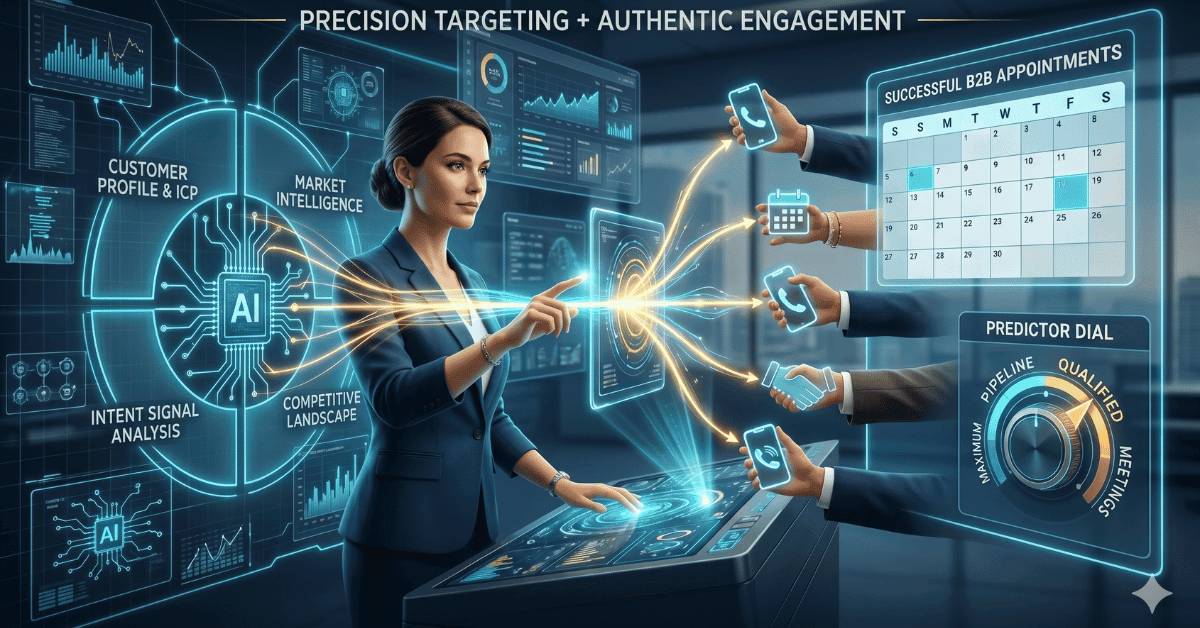
AI technology helps sales teams analyze data, identify buying signals, and prioritize high-potential prospects. It can process large amounts of information quickly and uncover insights that would take humans much longer to identify. AI also improves list building, lead scoring, and engagement tracking. This enables SDR teams to focus on prospects who are more likely to convert. Businesses that use AI strategically often improve productivity and pipeline quality.
2. Human Engagement Builds Trust
While AI improves efficiency, human interaction remains critical for relationship building. Buyers want authentic conversations, emotional intelligence, and meaningful engagement. Skilled SDRs can adapt conversations based on prospect responses, industry context, and buyer concerns. Human communication also creates stronger rapport and trust throughout the sales process. Businesses that rely entirely on automation often struggle to create lasting buyer relationships.
3. Personalization at Scale
One of the biggest advantages of the Human-AI sales approach is the ability to personalize outreach at scale. AI tools can provide insights into buyer behavior and preferences, while SDRs use those insights to craft tailored messaging. This allows businesses to deliver relevant outreach without sacrificing efficiency. Personalized communication improves response rates and meeting quality. Companies using this approach are more likely to stand out in competitive markets.
4. Better Qualification and Meeting Quality
AI can help identify intent signals and engagement patterns, but human SDRs are still essential for qualification. Skilled sales professionals can assess buyer readiness, ask strategic questions, and identify whether a prospect is a strong fit. This ensures that only qualified opportunities move forward to sales teams. Better qualification improves conversion rates and reduces wasted time. High-quality meetings create stronger sales outcomes and more predictable revenue growth.
Key Challenges in Modern B2B Appointment Setting
Modern appointment setting comes with several challenges that businesses must address to remain competitive.
1. Buyer Fatigue from High-Volume Outreach
Many decision-makers receive dozens of cold emails and LinkedIn messages every day. High-volume outreach strategies have created buyer fatigue and reduced engagement rates across industries. Generic messaging often feels intrusive and irrelevant to prospects. Businesses that continue using these tactics risk damaging their reputation and losing opportunities. A high-touch approach focused on relevance and personalization is now essential.
2. Poor Data and Inaccurate Targeting
Appointment setting campaigns are only as effective as the data behind them. Poor contact information and weak targeting criteria lead to low-quality meetings and wasted outreach efforts. Businesses must refine their Ideal Customer Profile and continuously update prospecting data. Intent-based targeting and research-driven outreach improve accuracy and engagement quality. Strong data practices create more efficient outbound sales development campaigns.
3. Overdependence on Automation
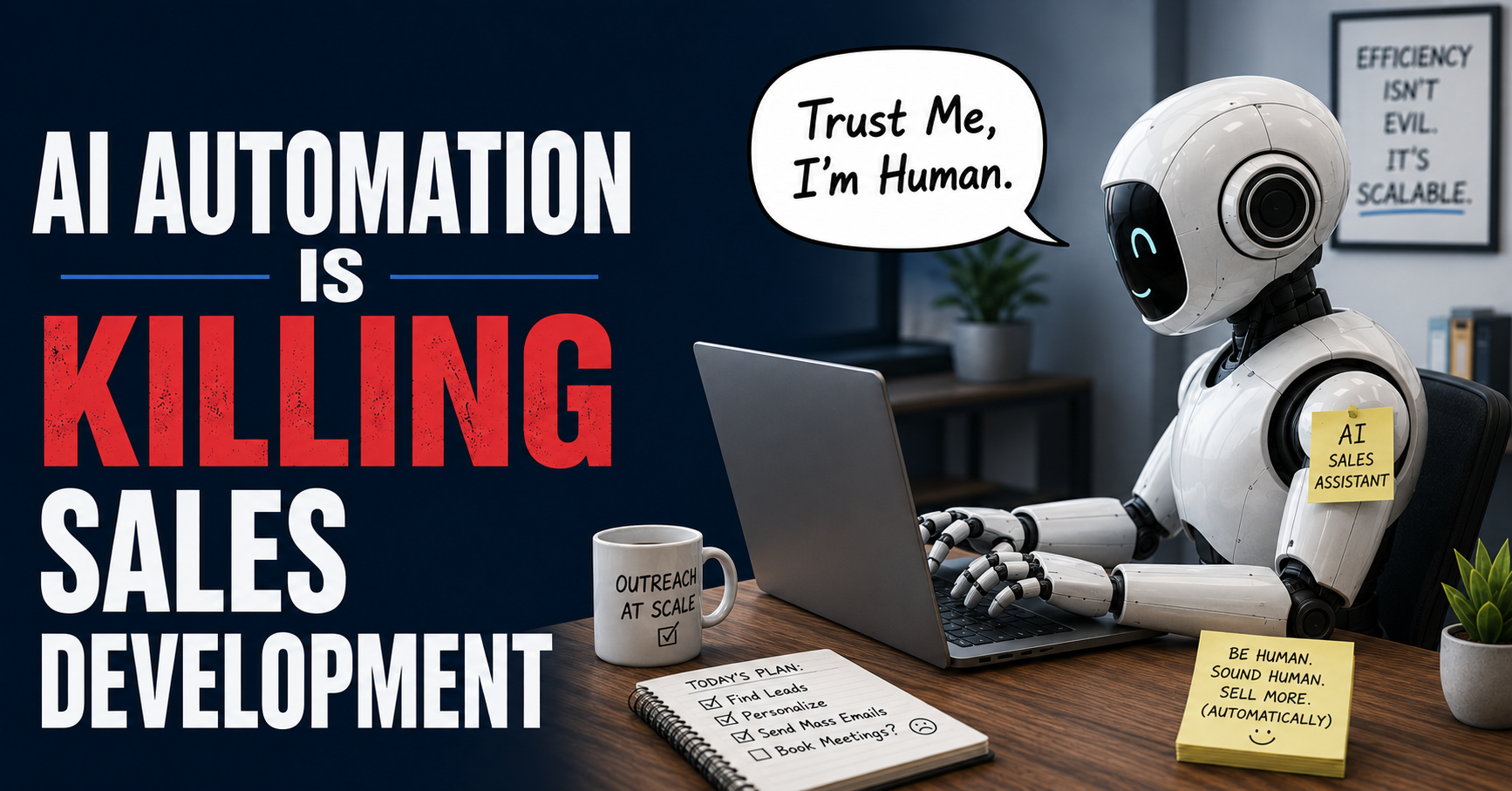
Automation tools can improve productivity, but excessive automation often results in impersonal communication. Buyers can quickly recognize template-based outreach and mass messaging tactics. Overdependence on automation reduces authenticity and lowers response rates. Successful B2B Appointment Setting strategies combine automation with meaningful human interaction. The Human-AI sales approach creates the right balance between scalability and personalization.
4. Measuring Meeting Quality Instead of Quantity
Many organizations still focus heavily on activity metrics such as emails sent or meetings booked. However, not all meetings contribute equally to revenue growth. Modern sales teams must prioritize meeting quality, conversion rates, and pipeline impact. Tracking meaningful metrics helps businesses improve strategy and optimize outreach efforts. High-performing SDR teams focus on creating opportunities that align with long-term business goals.
Best Practices for Successful B2B Appointment Setting
Businesses that consistently generate qualified meetings follow structured and strategic appointment setting processes.
1. Build a Strong Ideal Customer Profile
A clearly defined Ideal Customer Profile is the foundation of effective appointment setting. Businesses should identify the industries, company sizes, job roles, and pain points that align with their solutions. A strong ICP improves targeting accuracy and outreach relevance. Companies that regularly refine their ICP based on performance data achieve better engagement and conversion rates. This creates a stronger and more focused pipeline.
2. Use Multi-Channel Outreach
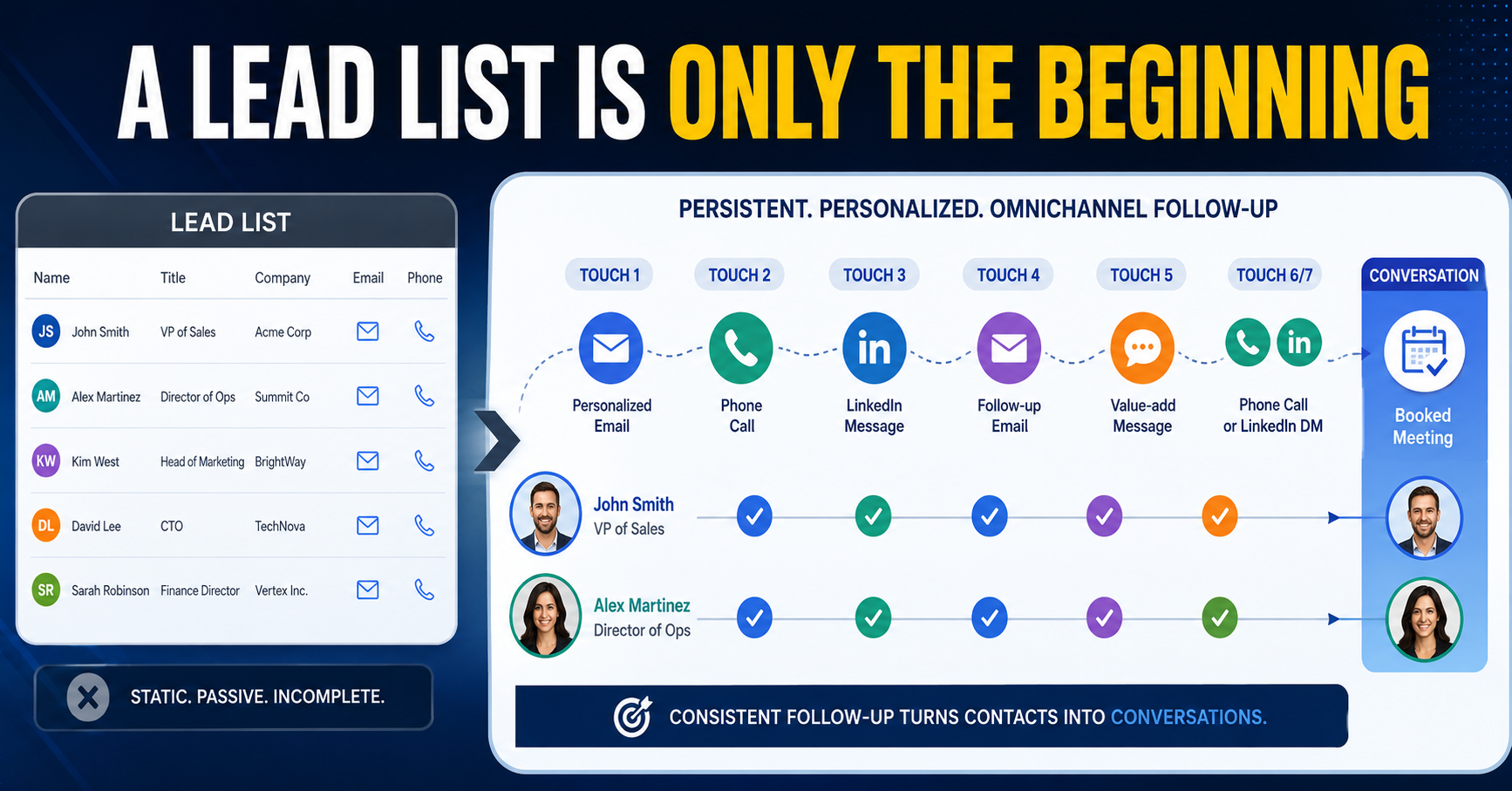
Modern buyers interact across multiple channels before engaging in sales conversations. Effective appointment setting strategies include phone calls, emails, LinkedIn outreach, and personalized follow-ups. Multi-channel outreach increases visibility and creates multiple touchpoints with prospects. Consistency across channels builds trust and familiarity over time. Businesses that diversify outreach channels often achieve stronger response rates.
3. Focus on Intent-Based Prospecting
Intent-Based Prospecting helps SDR teams prioritize buyers who are actively researching solutions or showing engagement signals. This improves outreach timing and increases meeting quality. Intent data can include website visits, content engagement, or interest in relevant industry topics. Businesses that align outreach with buyer intent create more meaningful conversations. Precision targeting leads to stronger conversion rates and shorter sales cycles.
4. Continuously Optimize Messaging
Sales messaging should never remain static. High-performing SDR teams continuously test subject lines, call scripts, messaging styles, and outreach timing. Small adjustments can significantly impact engagement and conversion rates. Continuous optimization helps businesses adapt to changing buyer behavior and market conditions. Data-driven messaging improvements create stronger appointment setting performance over time.
Services Provided by Salaria Sales
Salaria Sales helps businesses modernize their B2B Appointment Setting strategy through a combination of outbound sales development, SDR outsourcing, and precision prospecting. As a Full-Service B2B Sales & SDR Outsourcing Agency, Salaria Sales focuses on building high-quality pipelines through personalized and strategic outreach. The team uses a Human-AI sales approach that combines advanced targeting, intent-based prospecting, and authentic human conversations to improve meeting quality and conversion rates. Salaria Sales provides multi-channel outreach across email, LinkedIn, and cold calling to ensure businesses connect with the right decision-makers at the right time. Experienced SDR professionals handle prospect qualification, follow-ups, and appointment coordination so sales teams can focus on closing deals. Salaria Sales also provides campaign optimization, analytics reporting, and strategic guidance to improve performance continuously. By prioritizing quality over high-volume tactics, businesses can create stronger buyer relationships and more predictable revenue growth. This modern approach to B2B lead generation helps companies scale efficiently while maintaining personalization and professionalism throughout the buyer journey.
If you want to improve your B2B Appointment Setting strategy and build a pipeline that converts, book a meeting with the Salaria Sales team here: https://salariasales.com/book/
Key Takeaways: The Future of B2B Appointment Setting with Human-AI
B2B Appointment Setting has evolved from simple cold outreach into a strategic process that requires personalization, timing, and meaningful engagement. Businesses that continue relying on outdated high-volume tactics often struggle with low conversion rates and weak meeting quality. Modern buyers expect relevant conversations that align with their goals and business challenges. This is why the Human-AI sales approach has become essential for successful outbound sales development. AI improves targeting, efficiency, and data analysis, while human SDRs build trust, personalize outreach, and create stronger buyer relationships. Together, they create a scalable and effective appointment setting strategy that drives predictable revenue growth. Companies that invest in precision prospecting, multi-channel outreach, and quality-driven engagement are building stronger pipelines and more sustainable sales performance. The future of B2B lead generation belongs to businesses that combine technology with authentic human interaction to create high-value sales conversations.
Frequently Asked Questions (FAQs)
1. What is B2B Appointment Setting?
B2B Appointment Setting is the process of identifying qualified business prospects and scheduling meetings between potential buyers and sales teams.
2. Why is B2B Appointment Setting important?
B2B Appointment Setting helps businesses create qualified sales opportunities, improve pipeline consistency, and increase conversion rates through structured outbound sales development.
3. What is a Human-AI sales approach?
A Human-AI sales approach combines AI-driven targeting and automation with human personalization and relationship-building to improve sales engagement and conversion rates.
4. How does AI improve appointment setting?
AI improves appointment setting by analyzing buyer behavior, identifying intent signals, prioritizing leads, and helping SDR teams focus on high-potential prospects.
5. Why is personalization important in B2B outreach?
Personalization makes outreach more relevant to buyers, improving response rates, engagement quality, and trust throughout the sales process.
6. What are the biggest challenges in modern appointment setting?
Common challenges include buyer fatigue from mass outreach, inaccurate targeting, overdependence on automation, and poor meeting qualification.
7. How does SDR outsourcing support B2B Appointment Setting?
SDR outsourcing provides experienced professionals who handle prospecting, qualification, and outreach, allowing businesses to scale pipeline generation efficiently.
8. What makes high-quality meetings different from high-volume meetings?
High-quality meetings involve qualified prospects who match the Ideal Customer Profile and demonstrate buying intent, leading to stronger conversion opportunities and revenue growth.