Buyer Intent in Outbound Sales is the difference between filling a pipeline and building revenue. Salaria Sales helps B2B teams align targeting, timing, and messaging to create conversations that actually convert.
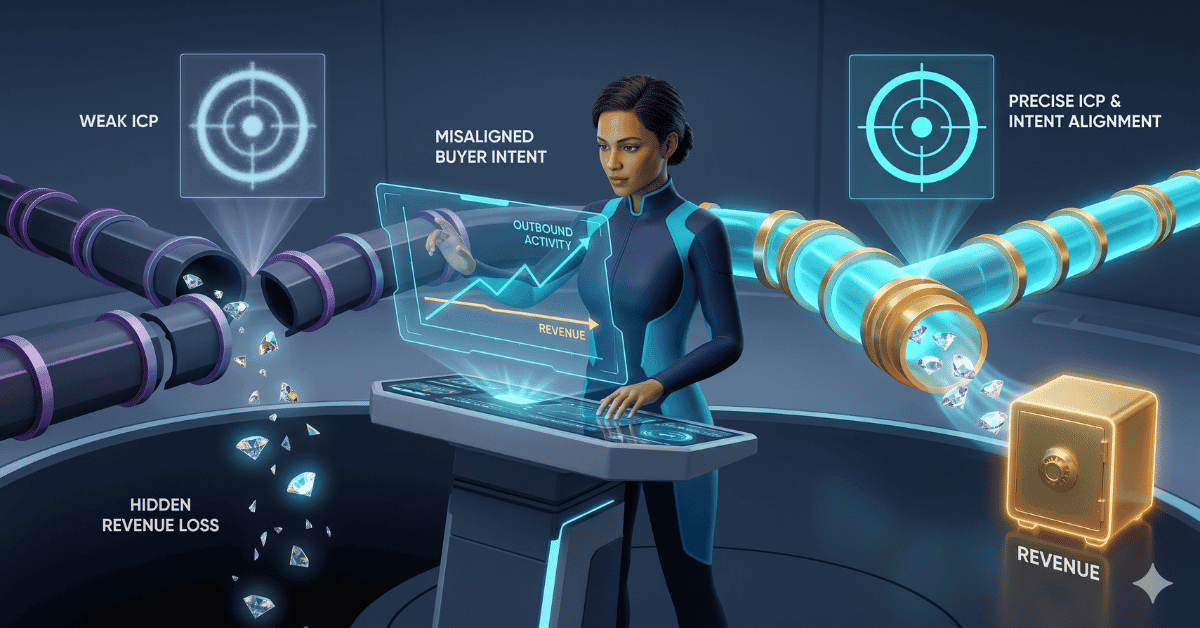
Many B2B companies struggle with pipeline inconsistency despite investing heavily in outbound sales development and lead generation campaigns. The issue is often not the amount of outreach being done but the quality of targeting behind it. Weak Ideal Customer Profiles and poor alignment with Buyer Intent in Outbound Sales create pipelines filled with low-converting opportunities. Sales teams waste time engaging prospects who are not actively interested, not decision-makers, or simply not the right fit. As modern buyers become more selective and informed, generic outbound tactics are losing effectiveness. Businesses now need a more strategic and data-driven approach that combines accurate targeting with personalized engagement. This is where a Human-AI sales approach becomes critical. Companies that understand buyer behavior, intent signals, and market timing are more likely to generate qualified opportunities and predictable revenue growth. In this article, we explore why weak ICP strategies and misaligned buyer intent quietly damage revenue performance and how modern sales teams can fix the problem.
What Is Buyer Intent in Outbound Sales
Buyer Intent in Outbound Sales refers to identifying and engaging prospects who are actively showing interest, researching solutions, or demonstrating signals that indicate a higher likelihood of purchasing.
1. Understanding Buyer Intent
Buyer intent reflects the actions and behaviors that suggest a prospect may be evaluating a solution or preparing to make a purchase decision. These signals may include website visits, content engagement, product comparisons, or increased activity on professional channels like LinkedIn. Intent signals help outbound sales teams prioritize the right prospects at the right time. Instead of contacting cold audiences randomly, SDR teams can focus on prospects with higher conversion potential. This improves efficiency across the sales pipeline.
2. Why Buyer Intent Matters in Modern B2B Sales
Modern B2B buyers conduct significant research before engaging with sales representatives. Studies show that buyers are often more than halfway through the decision-making process before speaking to a vendor. This shift means that timing and relevance are more important than ever. Businesses that fail to align outreach with buyer intent often struggle with low response rates and weak engagement. Understanding buyer intent allows sales teams to create more personalized and timely conversations.
3. The Relationship Between Buyer Intent and Pipeline Quality
High-quality pipelines are built on accurate targeting and intent alignment. When sales teams focus on prospects actively researching solutions, the chances of meaningful engagement increase significantly. This creates better meetings, stronger sales conversations, and improved conversion rates. Businesses that ignore buyer intent often end up filling their pipelines with low-quality opportunities. A strong outbound sales development strategy requires balancing volume with intent-driven precision.
The Real Cost of Weak ICP Definition
An inaccurate Ideal Customer Profile can quietly damage sales performance and reduce outbound efficiency.
1. Poor ICPs Create Low-Quality Pipelines
Many companies define their ICP too broadly, targeting anyone who loosely fits their industry or job title requirements. This creates pipelines filled with prospects who may not actually need the solution being offered. SDR teams spend valuable time chasing leads with little conversion potential. Poor targeting also reduces morale because sales representatives experience lower engagement rates. A precise ICP improves focus and ensures outreach efforts are directed toward high-value opportunities.
2. Generic Targeting Reduces Conversion Rates
When ICP definitions lack detail, sales messaging becomes too generic to resonate with modern buyers. Prospects are more likely to ignore outreach that feels broad or irrelevant to their business challenges. Generic prospecting reduces open rates, response rates, and meeting quality. Businesses that invest in refining their ICP typically improve engagement and sales performance. Detailed targeting helps SDR teams create more relevant conversations.
3. Weak ICPs Increase Customer Acquisition Costs
Poor targeting creates inefficiencies throughout the outbound sales process. SDR teams waste time on low-fit prospects, while account executives spend resources on meetings that never convert. This increases customer acquisition costs and slows down pipeline velocity. Businesses that optimize their ICP often reduce wasted outreach and improve ROI from outbound campaigns. Efficient targeting supports sustainable growth and stronger revenue performance.
4. Misalignment Between Marketing and Sales
Weak ICP definitions often create disconnects between marketing and sales teams. Marketing may generate leads that do not align with what sales teams actually need. This creates friction, poor lead quality, and inconsistent pipeline performance. A shared understanding of the Ideal Customer Profile improves collaboration and campaign alignment. Businesses with stronger sales and marketing alignment often achieve higher conversion rates and better customer retention.
How Misaligned Buyer Intent Hurts Revenue Growth
Even companies with strong outbound activity can struggle when outreach timing and messaging fail to match buyer intent.
1. Prospects Ignore Irrelevant Outreach
Modern buyers receive large volumes of cold emails and sales messages every day. Generic outreach that does not align with buyer needs or timing is often ignored immediately. Prospects are more likely to engage when outreach addresses a specific challenge or opportunity relevant to them. SDR teams that personalize communication based on intent signals create more meaningful engagement. Relevance has become one of the most important factors in outbound success.
2. SDR Teams Waste Time on Low-Intent Leads
Without intent-driven targeting, SDR teams spend too much time pursuing prospects who are unlikely to convert. This reduces overall productivity and creates frustration across the sales organization. High-performing SDR teams prioritize accounts showing signs of active interest or market movement. Intent-based prospecting improves efficiency by focusing effort where it matters most. Better prioritization leads to stronger pipelines and improved meeting quality.
3. Longer Sales Cycles Reduce Momentum
When sales teams engage prospects too early or too late in the buyer journey, deals often stall. Poor timing creates longer sales cycles and weaker engagement throughout the funnel. Buyers who are not ready for conversations may disengage completely. On the other hand, businesses that identify buyer intent early can create momentum and move opportunities forward faster. Timing is critical in outbound sales development.
4. Poor Buyer Experiences Damage Brand Perception
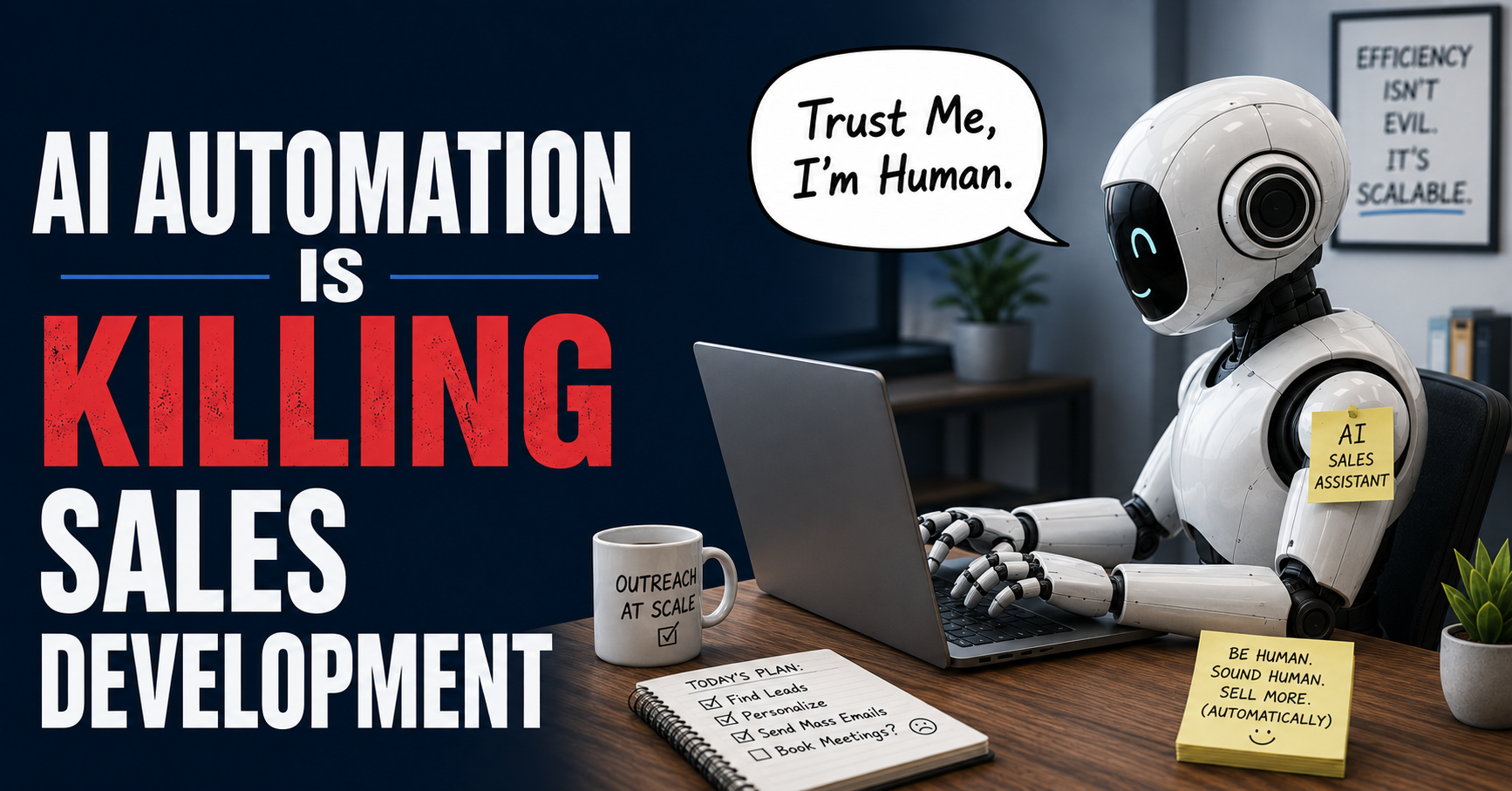
Aggressive outreach to irrelevant prospects damages trust and weakens brand perception. Buyers are increasingly frustrated by mass outbound tactics that prioritize activity over relevance. Companies using outdated spray-and-pray prospecting methods often experience declining response rates over time. A Human-AI sales approach helps businesses personalize outreach while maintaining scalability. Respectful and relevant engagement improves both buyer experience and conversion performance.
How to Align ICP and Buyer Intent for Better Results
Successful outbound sales development requires combining accurate targeting with intent-driven engagement strategies.
1. Build a Detailed Ideal Customer Profile
A strong ICP includes more than basic firmographic data. Businesses should analyze company size, revenue, growth stage, technology stack, operational challenges, and buying triggers. Detailed ICPs help SDR teams prioritize the right accounts and personalize conversations effectively. Regular ICP reviews ensure alignment with changing market conditions. Businesses with stronger ICPs often generate better-quality pipelines.
2. Use Intent Data Strategically
Intent data helps identify prospects actively researching relevant solutions or experiencing business changes. SDR teams can use this information to prioritize outreach and improve engagement timing. Intent signals may include content downloads, website activity, hiring trends, or funding announcements. Companies that use intent data effectively improve outreach relevance and meeting conversion rates. Strategic use of data creates a competitive advantage.
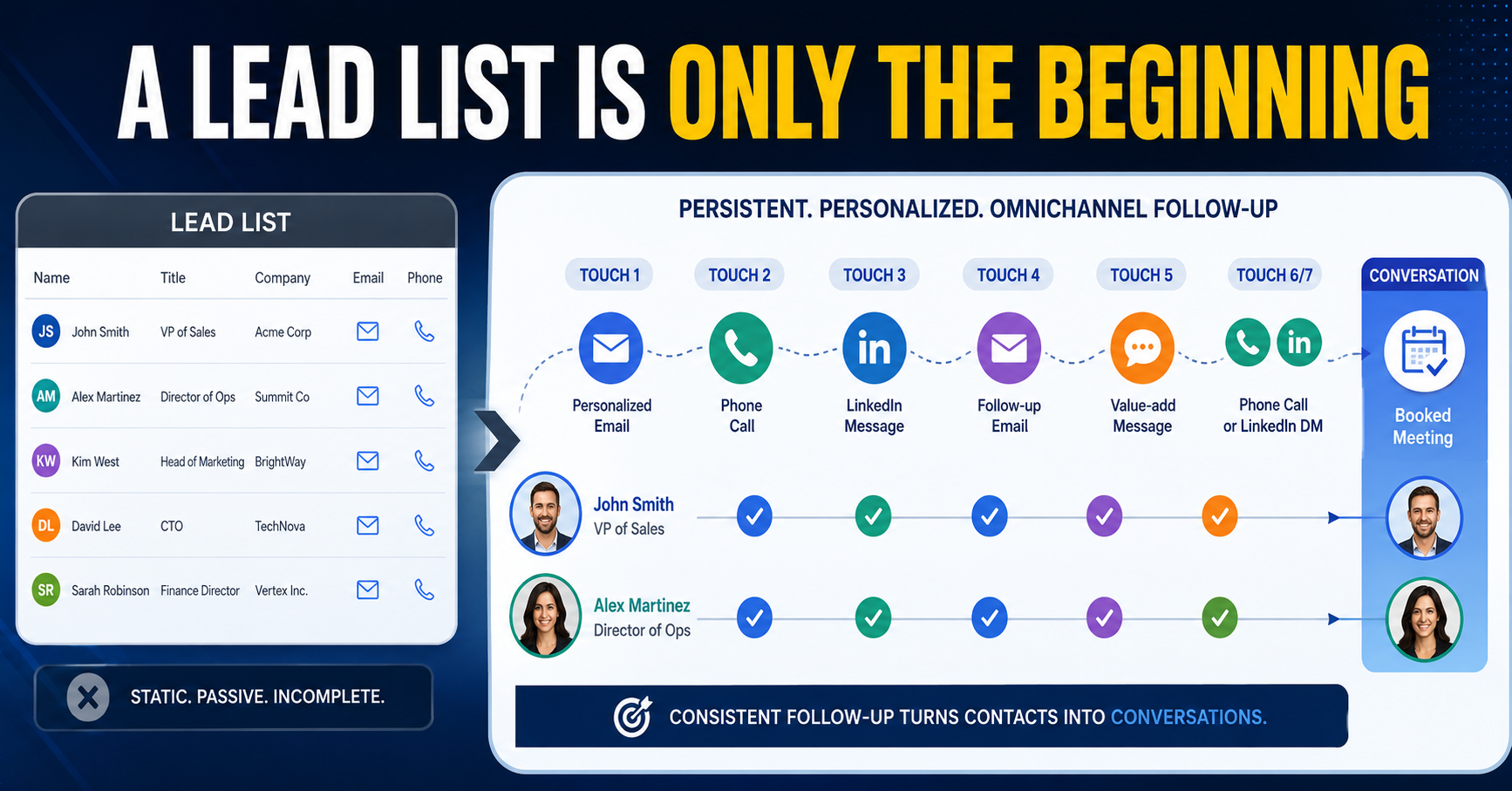
3. Personalize Outbound Sales Development
Personalization is essential for successful B2B lead generation. SDR teams should tailor messaging to each prospect’s industry, pain points, and business objectives. Buyers are more likely to respond when outreach feels relevant and informed. Personalized communication improves trust and creates stronger sales conversations. Businesses that personalize consistently often outperform competitors relying on generic messaging.
4. Combine Human Expertise with AI Technology
The Human-AI sales approach allows businesses to scale outbound efforts while maintaining personalization and relevance. AI tools help analyze data, identify intent signals, and improve targeting accuracy. Human SDRs bring emotional intelligence, relationship building, and conversational flexibility to outreach efforts. This balance improves both efficiency and engagement quality. Companies using a Human-AI approach often build stronger outbound systems and more predictable pipelines.
Services Provided by Salaria Sales
Salaria Sales helps businesses improve Buyer Intent in Outbound Sales through strategic SDR outsourcing, outbound sales development, and precision-focused B2B lead generation. As a Full-Service B2B Sales & SDR Outsourcing Agency, Salaria Sales works closely with businesses to refine Ideal Customer Profiles, identify high-intent prospects, and improve pipeline quality. The company uses a Human-AI sales approach that combines advanced data analysis and targeting with personalized human outreach across email, LinkedIn, and cold calling channels. Salaria Sales focuses on building meaningful conversations rather than relying on outdated high-volume prospecting tactics. The team continuously analyzes buyer behavior, engagement signals, and campaign performance to improve targeting and optimize outbound strategies. Businesses benefit from experienced SDR professionals who understand how to align outreach with buyer intent and business priorities. Through personalized engagement, intent-based prospecting, and ongoing optimization, Salaria Sales helps organizations generate stronger pipelines, improve meeting quality, and achieve more predictable revenue growth.
If you want to improve Buyer Intent in Outbound Sales and build a stronger outbound pipeline, book a meeting with the Salaria Sales team.
Conclusion
Many businesses focus heavily on increasing pipeline volume while overlooking the real factors that drive conversion success. Weak Ideal Customer Profiles and poor alignment with Buyer Intent in Outbound Sales quietly reduce efficiency, increase customer acquisition costs, and create inconsistent revenue performance. Modern outbound sales development requires more than generic prospecting and high-volume activity. Companies must understand buyer behavior, personalize engagement, and prioritize prospects who are actively researching solutions. A Human-AI sales approach helps businesses combine data-driven precision with authentic human conversations to improve outreach quality and pipeline performance. Organizations that refine their ICP, use intent data strategically, and focus on meaningful engagement are more likely to generate qualified opportunities and predictable growth. In today’s competitive B2B environment, successful sales teams are not the ones doing the most outreach. They are the ones engaging the right buyers at the right time with the right message.
Frequently Asked Questions (FAQs)
1. What is Buyer Intent in Outbound Sales?
Buyer Intent in Outbound Sales refers to identifying and engaging prospects who are actively showing interest or researching solutions related to your offering.
2. Why is buyer intent important in B2B lead generation?
Buyer intent improves targeting accuracy, outreach relevance, and meeting quality by focusing on prospects with a higher likelihood of converting.
3. What is an Ideal Customer Profile in outbound sales?
An Ideal Customer Profile defines the type of company or buyer most likely to benefit from your solution and become a successful customer.
4. How does weak ICP definition affect pipeline quality?
Weak ICP definitions lead to poor targeting, low engagement, unqualified meetings, and increased customer acquisition costs.
5. How can businesses improve outbound sales targeting?
Businesses can improve targeting by refining their ICP, using intent data, personalizing outreach, and adopting a Human-AI sales approach.
6. What is a Human-AI sales approach?
A Human-AI sales approach combines AI-driven insights and automation with human expertise and personalized communication to improve outbound sales performance.
7. How does SDR outsourcing support outbound sales development?
SDR outsourcing provides experienced sales development professionals who focus on prospecting, qualification, and appointment setting to improve pipeline growth.
8. Why is personalization important in outbound sales development?
Personalization improves buyer engagement, increases response rates, and creates more meaningful sales conversations that lead to stronger conversion outcomes.