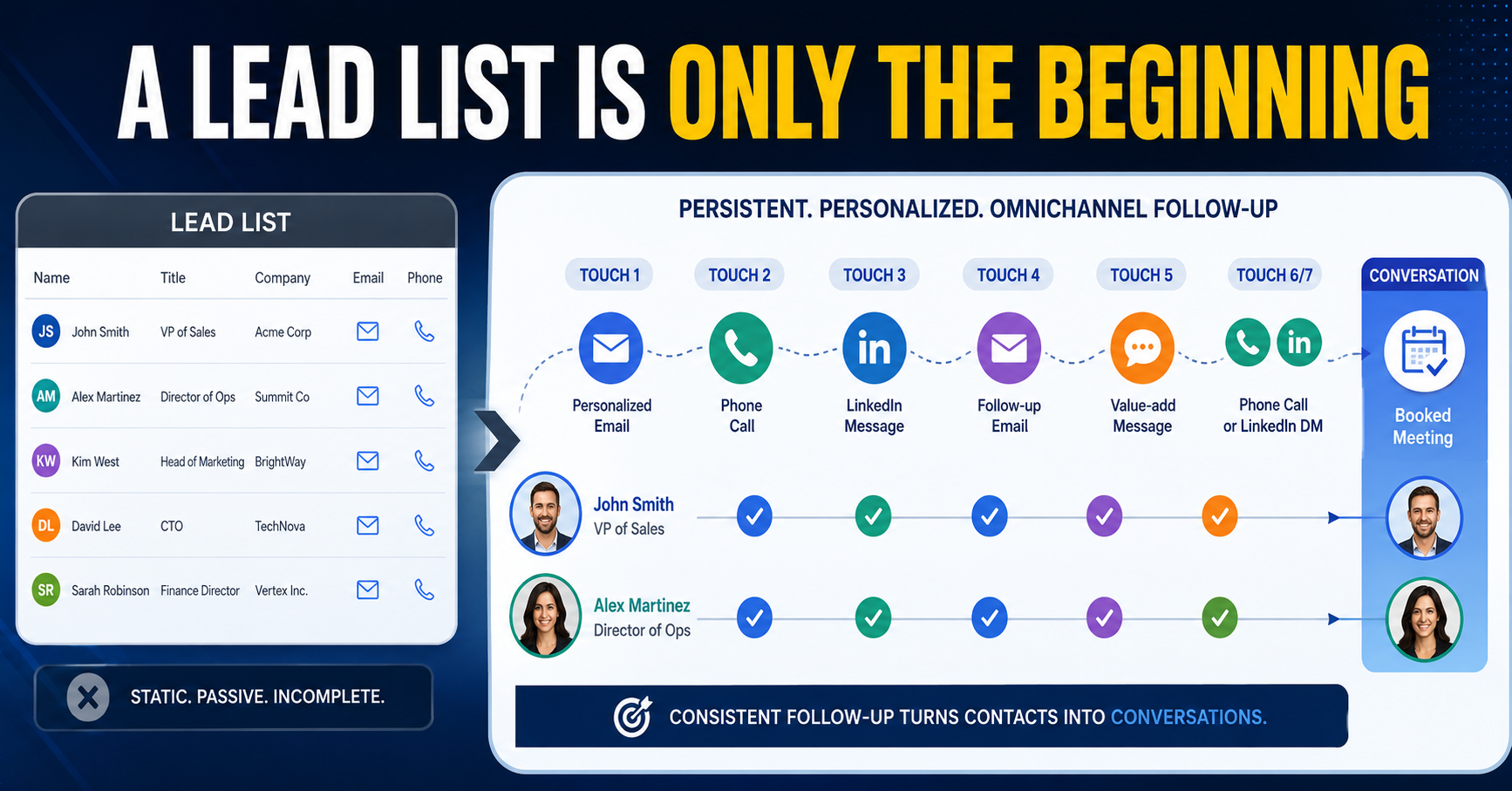

Sales enablement is the backbone of modern sales success, equipping teams with the tools, resources, and strategies needed to engage buyers effectively and close deals faster.
Sales enablement has become a cornerstone of modern sales processes, ensuring that teams are well-equipped to engage potential buyers effectively. At its core, sales enablement provides sales teams with the training, content, and technology needed to streamline workflows and improve customer interactions. This holistic approach drives alignment between sales and marketing, optimizes productivity, and enhances sales performance. Whether you’re aiming to implement your first enablement strategy or refine an existing one, understanding its key components, benefits, and best practices is essential for success. Let us explores the fundamentals of sales enablement, the strategies that drive results, and actionable steps to build an effective enablement program.
What is Sales Enablement?
Sales enablement is a strategic approach that empowers sales teams with the right tools, content, and knowledge to enhance buyer interactions. It bridges the gap between sales and marketing, creating a cohesive environment where resources are aligned with business objectives.
What are the Benefits of Sales Enablement?
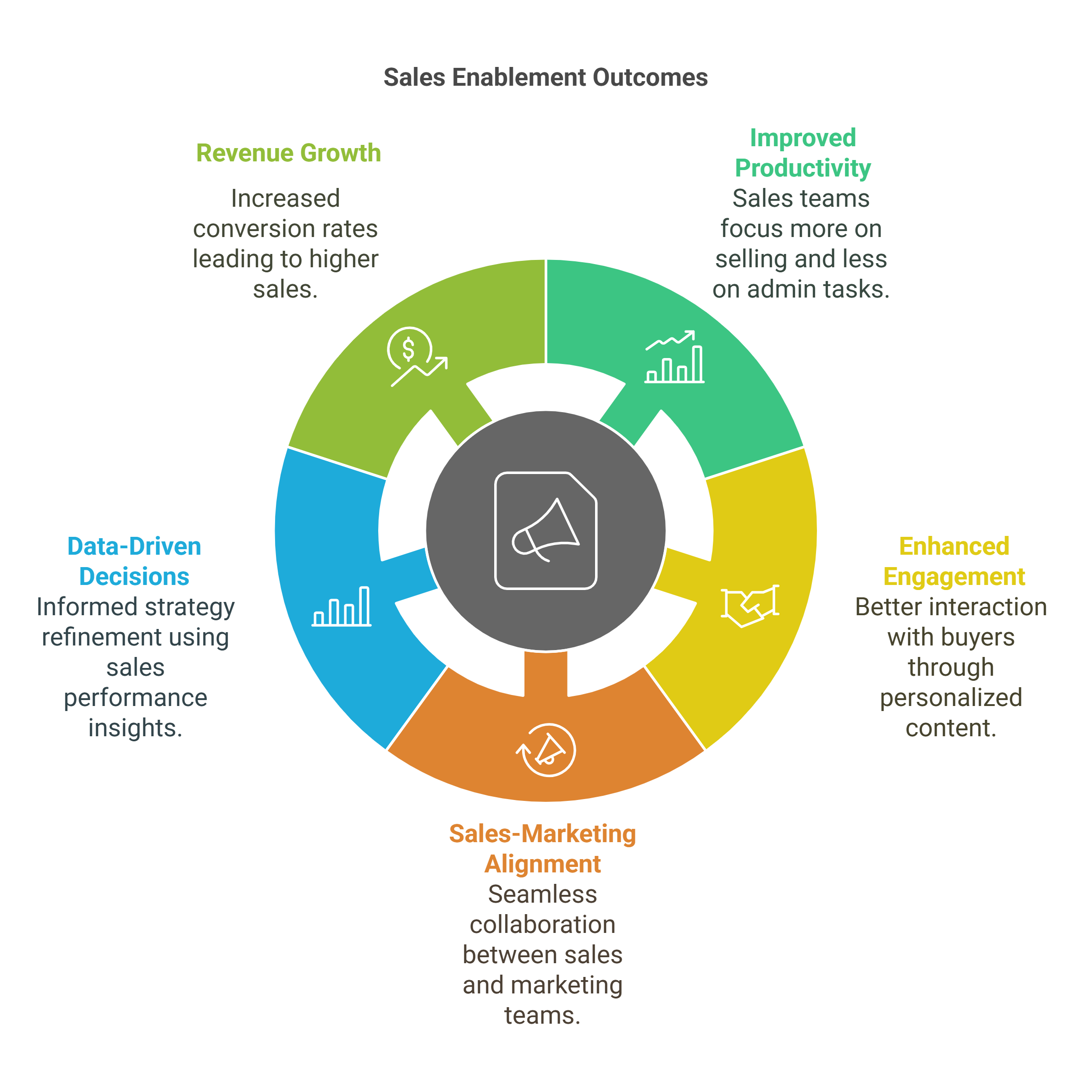
Sales enablement delivers measurable benefits that enhance sales processes and outcomes.
Improved Sales Productivity: Sales enablement reduces time spent on administrative tasks by automating workflows and providing easy access to resources. This allows sales teams to focus on selling and building relationships with potential clients.
Enhanced Buyer Engagement: By delivering personalized content and tailored messaging, sales teams can better address buyer needs, leading to improved engagement and trust.
Alignment Between Sales and Marketing: Sales enablement ensures that sales and marketing teams work together seamlessly, using consistent messaging and shared objectives to achieve business goals.
Data-Driven Decision-Making: Enablement tools provide valuable insights into sales performance, helping businesses refine strategies and make informed decisions.
Higher Revenue Growth: With improved efficiency and better buyer engagement, sales enablement contributes to higher conversion rates and revenue growth.
What are Key Strategies for Effective Sales Enablement?
Implementing the right strategies is essential for successful sales enablement.
Define Clear Objectives: Set measurable goals that align with your business’s overall sales and marketing objectives. These should guide all enablement activities.
Develop Buyer-Centric Content: Create resources that address the specific challenges and needs of your target audience. This could include case studies, whitepapers, and tailored sales decks.
Leverage Technology: Invest in sales enablement platforms and CRM tools to streamline processes and provide sales teams with real-time access to resources and data.
Provide Ongoing Training: Equip your sales team with continuous learning opportunities to keep them updated on market trends, product features, and sales techniques.
Building an effective sales enablement strategy requires a structured approach that includes analyzing your current sales process, defining key stakeholders from sales and marketing, creating a centralized resource library, implementing appropriate enablement technology, and continuously evaluating and adjusting the strategy based on feedback and performance metrics.
What are the Steps to Building a Sales Enablement Strategy?
Building an effective sales enablement strategy requires a structured approach.
Analyze Your Sales Process: Understand your current sales process and identify areas where enablement can add value.
Define Key Stakeholders: Involve both sales and marketing teams to ensure alignment and collaboration.
Create a Resource Library: Develop a centralized repository of sales content, training materials, and tools to support the sales team.
Implement Enablement Technology: Choose tools and platforms that align with your goals and integrate seamlessly into your existing processes.
Evaluate and Adjust: Continuously review your enablement strategy and make adjustments based on feedback and performance metrics.
Services Provided by Salaria Sales
The key takeaways on sales enablement strategy are that it is a vital approach for businesses to optimize sales processes and drive revenue growth. By equipping sales teams with the right tools, training, and content, sales enablement fosters better buyer engagement, improved productivity, and stronger team alignment, ultimately leading to long-term success and enhanced organizational efficiency. Consider partnering with Salaria Sales for expert sales enablement solutions to achieve your sales goals.
What are the Key Takeaways on Sales Enablement Strategy?
Sales enablement is a vital strategy for businesses aiming to optimize their sales processes and drive revenue growth. By providing sales teams with the right tools, training, and content, enablement fosters better buyer engagement, improved productivity, and alignment across teams. A well-executed enablement strategy ensures that sales representatives are prepared to meet the evolving needs of customers, creating a foundation for long-term success. Embracing sales enablement not only enhances sales outcomes but also strengthens collaboration and efficiency within your organization. Start building or refining your enablement strategy today to achieve your sales goals.
Empower your sales team with expert sales enablement solutions. Book a meeting with Salaria Sales to revolutionize your sales strategy!