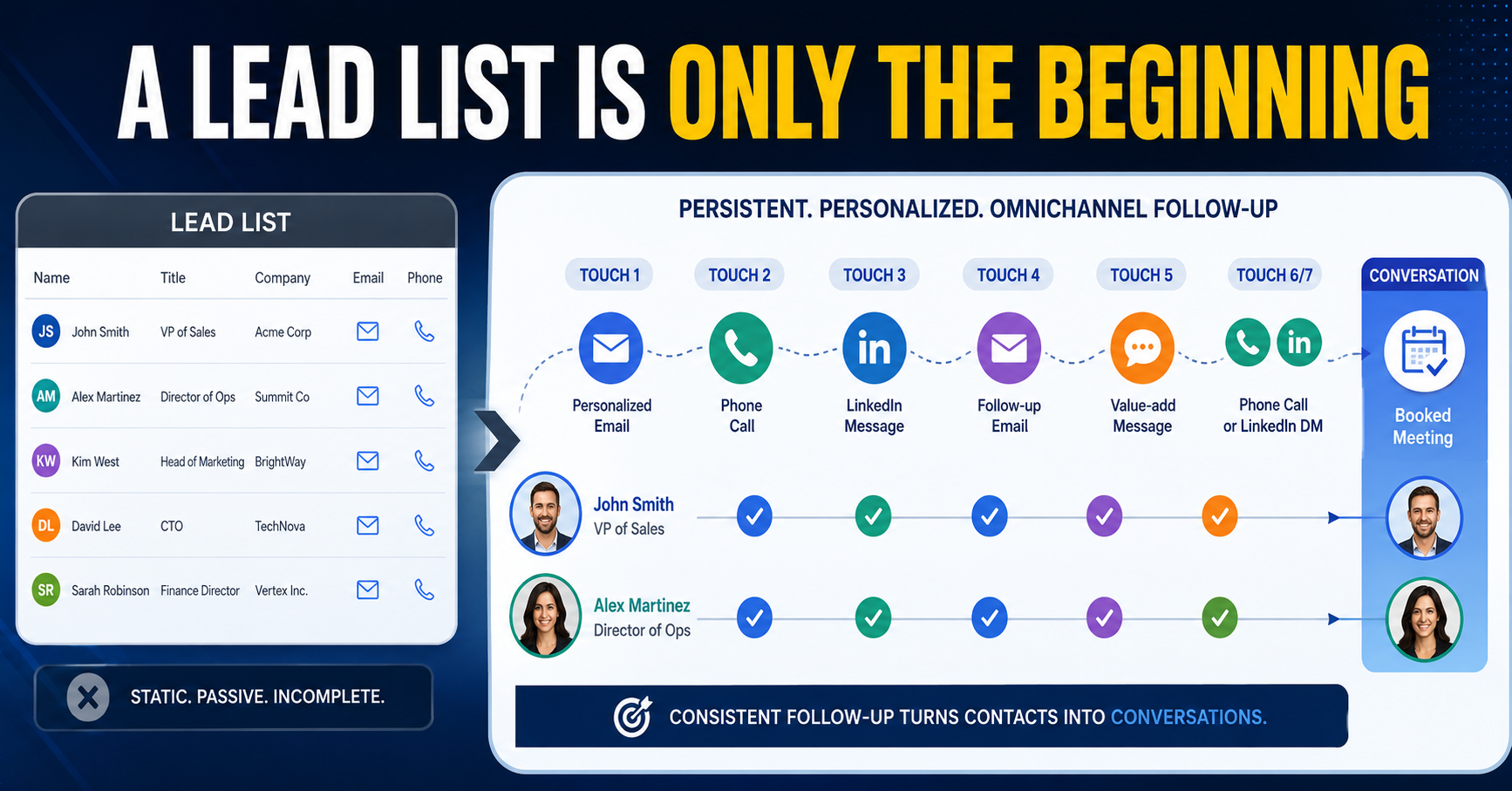

Cold calling remains one of the most effective methods for generating leads and initiating conversations with potential clients. However, it is not without its challenges. Many sales professionals struggle to navigate the nuances of cold calling, often falling into traps that hinder their effectiveness. The good news is that avoiding common mistakes can dramatically increase your success rate. From thorough preparation to effective follow-up, each step of the process requires attention and refinement. This article explores the most frequent errors salespeople make during cold calls and provides actionable strategies to avoid them, ensuring your calls are productive and impactful.
Common Mistakes to Avoid When Cold Calling

Lack of Preparation
Cold calling without preparation is like heading into battle unarmed. It leads to irrelevant conversations and missed opportunities.
- Failing to research your prospect beforehand can make your call seem generic and unprofessional. Take the time to learn about the company, their industry, and recent news or updates that might relate to your offerings.
- Having a clear understanding of the prospect’s needs or potential challenges allows you to craft a message that resonates. Use tools like LinkedIn or company websites to gather relevant insights.
- Create a checklist of essential information, such as their business size, key decision-makers, and pain points. This groundwork ensures you’re ready to engage in a meaningful dialogue.
Talking Too Much
Cold calls are not monologues; they are conversations. Overloading the prospect with information often backfires.
- Sales professionals sometimes overwhelm prospects by diving into every detail about their product or service. This can lead to disinterest.
- Instead, prioritize active listening. Ask open-ended questions to encourage the prospect to share their challenges and needs.
- Aim for a balanced conversation where the prospect speaks more than you. This demonstrates your genuine interest and helps you tailor your pitch effectively.
Not Having a Clear Objective
Calling without a defined goal wastes both your time and the prospect’s.
- Enter every call with a specific purpose, whether it’s scheduling a meeting, sharing information, or qualifying the lead.
- Write down your objective and structure your call around achieving it. This ensures the conversation stays focused and productive.
- A clear goal allows you to measure success and determine the effectiveness of your approach, making it easier to refine your strategy.
Using a Script Rigidly
While scripts provide structure, over-reliance on them can make you sound robotic.
- Treat your script as a guide rather than a word-for-word dialogue. Prospects can sense inauthenticity, which can harm rapport.
- Practice your script until it feels natural, allowing you to adapt to the flow of the conversation.
- Be prepared to pivot if the prospect raises unexpected concerns or questions, showing that you are engaged and adaptable.
Ignoring the Importance of Tone
Tone sets the stage for how your message is received. A poor tone can ruin an otherwise well-prepared pitch.
- A monotone delivery can come across as disinterested, while an overly aggressive tone can be off-putting.
- Aim for a tone that is confident, friendly, and professional. Smiling while talking can help convey warmth and positivity.
- Match your tone to the prospect’s demeanor to build rapport and establish a connection.
Failing to Handle Objections
Objections are part of cold calling, yet many salespeople fail to address them effectively.
- Anticipate common objections like “I’m not interested” or “I don’t have the budget.” Prepare thoughtful responses that shift the conversation back to the prospect’s needs.
- View objections as opportunities to provide clarity and build trust rather than as roadblocks.
- Practice objection-handling techniques to ensure you respond calmly and confidently during calls.
Not Following Up
Many sales are lost due to a lack of follow-up. Cold calling is rarely a one-and-done process.
- Create a structured follow-up plan for each prospect, including timelines and methods of communication.
- Use follow-up emails or LinkedIn messages to provide additional value, such as case studies or industry insights.
- Consistent follow-up demonstrates your persistence and professionalism, keeping you top-of-mind for prospects.
Neglecting to Qualify Leads
Time is a valuable resource, and spending it on unqualified leads is inefficient.
- Ask qualifying questions early in the call to determine if the prospect fits your ideal client profile.
- Listen for signals that indicate their readiness to engage, such as budget, decision-making authority, or immediate needs.
- Qualifying leads ensures you focus your efforts on prospects with genuine potential, maximizing your productivity.
Being Too Pushy
Nobody likes a pushy salesperson. High-pressure tactics can alienate prospects and damage your reputation.
- Focus on building a relationship rather than making a hard sell. Approach the call as an opportunity to understand the prospect’s needs.
- Respect their responses and avoid forcing the conversation in your favor. A collaborative approach is more likely to lead to positive outcomes.
- Establish trust by being transparent and offering solutions that genuinely align with their goals.
Ignoring Feedback
Feedback is essential for growth, yet it’s often overlooked in cold calling.
- Reflect on each call to identify areas for improvement. Analyze what worked and what didn’t.
- Seek feedback from colleagues or mentors who can offer constructive criticism and fresh perspectives.
- Use feedback as a tool to refine your approach, ensuring continuous improvement in your cold calling strategy.
Salaria Sales Services
Salaria Sales excels at helping businesses master cold calling strategies through our tailored services. Our team of seasoned professionals combines proven techniques with innovative tools to maximize your outreach success.
We focus on preparing personalized scripts, identifying high-quality leads, and ensuring every call is engaging and impactful. Our services also include comprehensive training for your team, equipping them with the skills to handle objections and build rapport effectively.
By partnering with Salaria Sales, you gain access to advanced CRM tools, actionable insights, and a dedicated team that ensures every call aligns with your objectives. Whether you’re looking to enhance lead generation or improve call-to-conversion rates, our expertise makes a measurable difference.
Conclusion
Avoiding common mistakes in cold calling is essential for building meaningful connections and achieving success. Every step, from preparation to follow-up, plays a vital role in creating a positive impression and driving results. By researching your prospects, maintaining a clear objective, and listening actively, you can transform challenges into opportunities.
Cold calling is more than just a sales technique—it’s an art that requires continuous refinement. Partnering with experts like Salaria Sales can further enhance your efforts, providing you with the tools and strategies needed to succeed. Embrace these best practices, and you’ll not only improve your cold calling skills but also create lasting value for your business and clients.