
Cold calling remains one of the most challenging yet effective strategies in sales. Crafting an effective cold calling script is crucial to making a strong first impression and engaging potential clients. At Salaria Sales, we believe in a dynamic approach to cold calling, emphasizing preparation, personalization, and flexibility. Here are the best practices for preparing a cold calling script that can help you achieve success.
Research the Prospect
Before making the call, it’s essential to research the prospect’s company and industry. Understanding their pain points and how your product or service can provide a solution is key to making a meaningful connection.
- Understand Their Needs: Delve into the company’s background, recent news, and industry trends. Identify specific challenges they may face. This will allow you to tailor your pitch to address their unique issues and demonstrate that you have done your homework.
- Identify Decision Makers: Know who you should be speaking to in the organization to ensure your message reaches the right person. This involves understanding the company hierarchy and finding the right contacts through LinkedIn or other professional networks.
Craft a Compelling Opening
The opening statement is your chance to grab the prospect’s attention and set the tone for the call.
- Personalize Your Greeting: Use the prospect’s name and reference any recent news or achievements related to their company. This personalization shows that you have taken the time to learn about them.
- Engage Immediately: Start with a strong, engaging statement or question that addresses their potential needs or pain points. For example, you might begin with, “I noticed your company recently expanded into new markets. How are you handling the increased demand for [specific service]?”
Outline Key Talking Points
Keeping the conversation focused and on track is essential to conveying your message effectively.
- Focus on Benefits: Highlight how your product or service benefits the prospect, addressing their specific needs. Emphasize the value and outcomes they can expect.
- Be Concise: Avoid lengthy explanations. Get to the point quickly while maintaining clarity. This ensures you keep the prospect’s attention and respect their time.
Handle Objections
Anticipating and effectively responding to objections can keep the conversation moving forward.
- Prepare Responses: Think about common objections you might face and prepare thoughtful responses. For example, if a prospect says, “We already have a provider,” you might respond with, “I understand. Many of our clients felt the same way initially, but they found our solution offered unique benefits such as [specific advantage].”
- Stay Calm and Confident: Practice handling objections to ensure you can respond smoothly and confidently. This builds trust and credibility with the prospect.
Call to Action
Clearly define what you want the prospect to do next.
- Be Specific: Whether it’s scheduling a meeting, signing up for a demo, or another action, make your call to action clear and straightforward. For example, “Could we schedule a 15-minute call next week to discuss how we can help you achieve [specific goal]?”
- Make It Easy: Ensure the next steps are simple and easy to follow for the prospect. Provide multiple options for times or methods of contact to accommodate their schedule.
Practice and Refine
Regular practice and continuous improvement are critical to delivering your script naturally and effectively.
- Rehearse Regularly: Practice your script until it flows naturally. This will help you sound more confident and engaging during the actual call.
- Seek Feedback: Use feedback from your calls to refine and improve your script. This might involve tweaking your opening line or adjusting how you handle certain objections based on real-world interactions.
Stay Flexible
While having a script is important, being able to adapt based on the conversation’s flow is equally vital.
- Be Adaptable: Don’t stick rigidly to the script. Be prepared to adjust based on the prospect’s responses. This flexibility allows for a more natural and engaging conversation.
- Listen Actively: Pay close attention to the prospect’s cues and adjust your approach as needed. Active listening demonstrates respect and helps you better address the prospect’s needs.
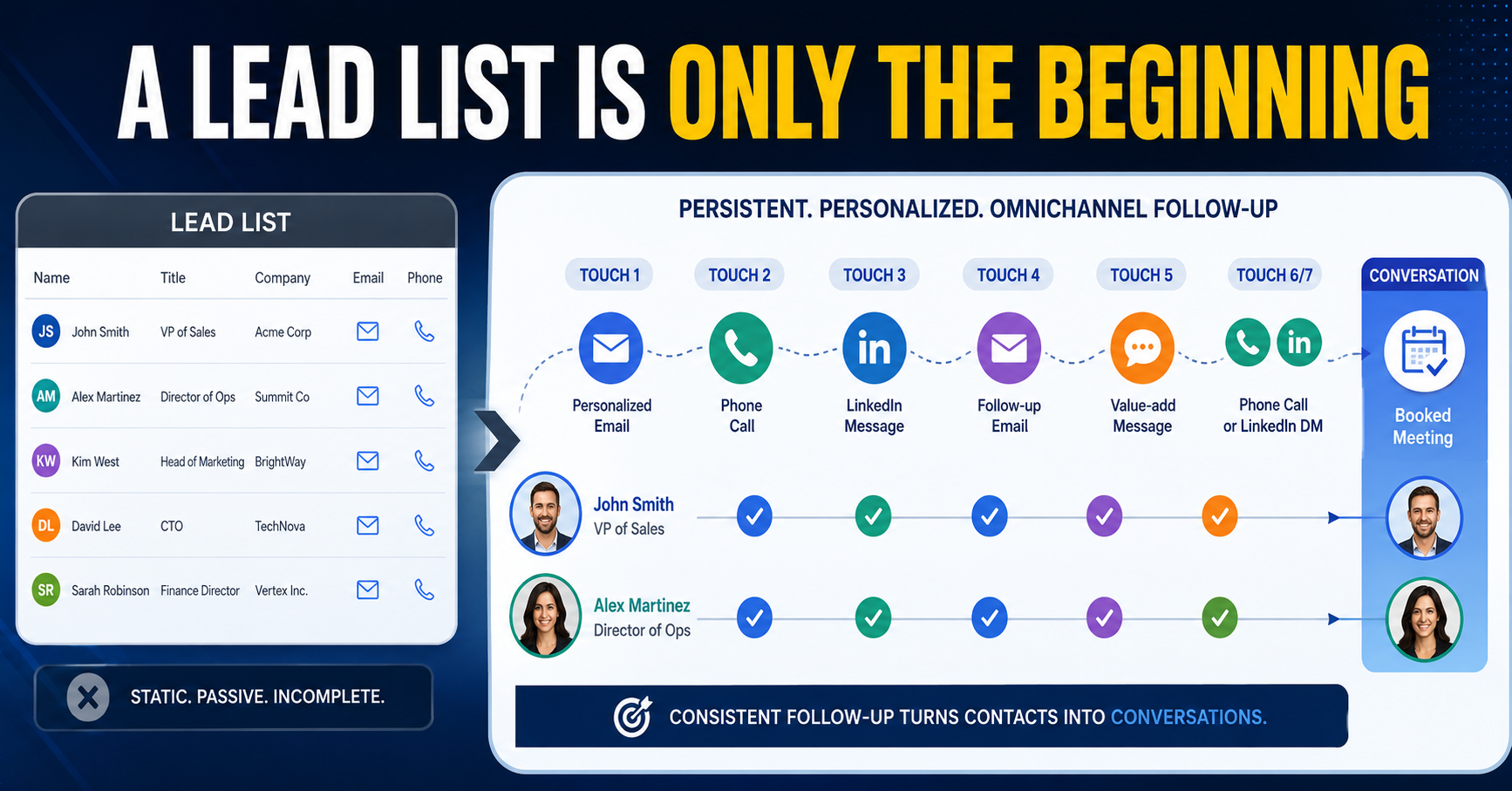
Follow-Up Plan
Not all prospects will convert immediately, so having a follow-up plan is crucial.
- Schedule Follow-Ups: Plan your follow-up calls or emails to keep the conversation alive. This shows persistence and a genuine interest in meeting the prospect’s needs.
- Provide Value: Continue to offer value in your follow-ups to maintain the prospect’s interest. Share relevant content, updates, or solutions that address their specific challenges.
Track and Analyze Results
Understanding what works and what doesn’t is key to refining your cold calling strategy.
- Monitor Performance: Track the success rates of your calls, including conversion rates and common objections. This data provides insight into the effectiveness of your script and approach.
- Analyze Data: Use the insights gained to tweak and improve your script and overall strategy. Regularly reviewing and adjusting your approach ensures continuous improvement and better results.
At Salaria Sales, we excel in learning from our experiences to continuously improve our processes and systems. We view each cold call not just as an opportunity to connect with potential clients, but as a learning experience that can help refine our approach. By following these best practices, you can enhance your cold calling efforts and achieve better results.