A winning B2B Cold Calling Strategy is not about dialing more numbers. It is about reaching the right buyers with the right message at the right time. Salaria Sales helps businesses turn cold calls into real pipeline conversations.
Cold calling has been declared dead many times, yet it continues to remain one of the most effective channels in outbound sales development when executed correctly. The real problem is not cold calling itself. The problem is generic cold calling. Many businesses still rely on outdated scripts, broad lead lists, weak targeting, and high-volume dialing that frustrates buyers and damages brand perception. Modern B2B buyers are more informed, more selective, and less patient with irrelevant outreach. This means companies need a smarter B2B Cold Calling Strategy that prioritizes relevance, personalization, buyer intent, and qualified conversations. Cold calling today works best when it is supported by strong research, a clear Ideal Customer Profile, multi-channel follow-up, and a Human-AI Sales Approach that improves targeting without removing the human element. In this article, we explain why cold calling is still valuable, why generic calling fails, and how modern sales teams can build a strategy that creates better meetings and predictable pipeline growth.
What Is a B2B Cold Calling Strategy
A B2B Cold Calling Strategy is a structured approach for identifying, researching, contacting, qualifying, and converting business prospects through phone-based outreach. It is not just a script or a dial list. It is a complete outbound sales development process designed to start meaningful conversations with the right buyers.
1. Cold Calling Is a Conversation Strategy, Not Just a Dialing Activity
A successful B2B Cold Calling Strategy begins with the understanding that a cold call is not simply about making contact. It is about creating a relevant conversation that gives the prospect a reason to listen. When businesses treat cold calling as a numbers game, the quality of conversations usually declines. Skilled SDRs know how to use research, tone, timing, and curiosity to create a better buyer experience. The goal is not to force a pitch, but to open a productive conversation that can lead to a qualified next step.
2. B2B Cold Calling Requires Targeting Before Outreach
Cold calling becomes more effective when outreach begins with a clearly defined Ideal Customer Profile. Sales teams need to know which industries, company sizes, buyer roles, and business challenges are most relevant to the solution being offered. Without strong targeting, SDRs waste time calling prospects who are unlikely to convert. Targeting helps teams focus on buyers who have a stronger reason to engage. This improves call quality, meeting quality, and pipeline efficiency.
3. A Modern Strategy Uses Research and Buyer Context
Generic cold calling often fails because it does not show any understanding of the prospect’s business. A modern B2B Cold Calling Strategy uses research to understand company priorities, market signals, role responsibilities, and potential pain points. This allows SDRs to open calls with relevance rather than a generic pitch. Buyers are more likely to engage when they feel the outreach is connected to their actual business situation. Context creates credibility in the first few seconds of the call.
4. Cold Calling Works Best as Part of a Multi-Channel System
Cold calling should not operate in isolation. It performs best when connected to email outreach, LinkedIn engagement, follow-up messaging, and CRM-based nurturing. A prospect may ignore the first email but recognize the company name during a later phone call. Multi-channel outreach creates familiarity and improves the chances of response. When cold calling is part of a coordinated outbound sales development system, it becomes more effective and less intrusive.
Why Generic Cold Calling Fails
Generic cold calling fails because it treats every prospect the same. Modern buyers expect relevance, preparation, and value before they agree to continue a conversation.
1. Generic Scripts Sound Robotic
Many cold calls fail because the SDR sounds like they are reading from a script written for everyone. Buyers can quickly detect when the caller has no understanding of their company, role, or priorities. This creates resistance before the conversation even begins. A script should guide the call, not control every word. Strong SDRs use flexible frameworks that allow them to adapt based on the prospect’s response.
2. Poor Lead Lists Create Poor Conversations
A cold call is only as strong as the prospecting strategy behind it. If the list is filled with poor-fit contacts, outdated information, or irrelevant buyers, the call is unlikely to succeed. Generic cold calling often depends on large databases without enough validation or research. This leads to low connection quality and weak meeting conversion. Better list building, account research, and buyer intent analysis improve the quality of every call.
3. High-Volume Dialing Damages Buyer Trust
High-volume cold calling can create activity, but it often harms buyer experience when done poorly. Prospects who receive irrelevant or repetitive calls may associate the brand with spam-like outreach. This reduces trust and makes future engagement harder. Modern B2B sales requires a more thoughtful approach that respects the prospect’s time. High-touch calling creates better conversations and protects brand reputation.
4. Weak Qualification Leads to Bad Meetings
Generic cold calling often focuses too heavily on booking any meeting rather than booking the right meeting. This creates calendars filled with prospects who are not ready, not qualified, or not aligned with the company’s Ideal Customer Profile. Sales teams then waste time on conversations that do not progress. Strong qualification ensures that booked meetings have real potential. A better B2B Cold Calling Strategy measures meeting quality, not just meeting volume.
Why Cold Calling Still Works in B2B Sales
Cold calling still works because it creates direct human conversations. In complex B2B sales, these conversations are often necessary to understand buyer needs, uncover decision paths, and build trust.
1. Cold Calling Creates Immediate Feedback
Unlike email, cold calling allows SDRs to hear real-time reactions from prospects. This provides valuable feedback about messaging, pain points, objections, and market fit. Even when a call does not result in a meeting, it can produce insight that helps improve the campaign. Sales teams can quickly learn which value propositions resonate and which objections appear most often. This makes cold calling an important source of market intelligence.
2. Phone Conversations Build Human Connection
B2B buyers are still people, and trust often grows through direct conversation. A phone call allows SDRs to use tone, listening, empathy, and curiosity to build rapport. These human elements are difficult to replicate through automated email alone. A strong conversation can quickly turn a cold prospect into an engaged buyer. This is why cold calling remains important in outbound sales development and SDR outsourcing.
3. Cold Calling Helps Navigate Complex Organizations
Many B2B buying processes involve multiple stakeholders, departments, and decision-makers. Online research may not always reveal who owns the problem or who influences the purchase. Cold calling can help SDRs gather information, identify the right contacts, and understand internal decision paths. This is especially valuable in enterprise or complex sales environments. A skilled caller can uncover details that are not available in databases.
4. Cold Calling Supports Higher-Quality Appointment Setting
Appointment setting improves when SDRs can qualify buyers through real conversation. Calls allow teams to ask clarifying questions, understand urgency, and determine whether a prospect is sales-ready. This reduces low-quality meetings and improves sales team productivity. When cold calling is done with strategy and professionalism, it creates stronger opportunities. It helps move prospects from awareness to meaningful sales engagement.
How to Build a Better B2B Cold Calling Strategy
A better cold calling strategy focuses on quality, personalization, and structured execution. It combines research, technology, human expertise, and continuous improvement.
1. Start With a Clear Ideal Customer Profile
The first step in building a strong B2B Cold Calling Strategy is defining the right target audience. This includes understanding the industries, company sizes, buyer roles, business challenges, and trigger events that make a prospect a strong fit. A clear Ideal Customer Profile helps SDRs prioritize the accounts most likely to convert. It also improves messaging because calls can be tailored to specific buyer needs. Without a clear ICP, cold calling becomes broad, inefficient, and difficult to scale.
2. Research Before Every Call
Research helps SDRs create relevance quickly. This does not mean spending hours on every prospect, but it does mean understanding enough to make the conversation feel informed. Useful research may include company news, role responsibilities, market changes, recent hiring, or signs of growth. When SDRs reference relevant context, prospects are more likely to listen. Research turns a cold call into a more thoughtful business conversation.
3. Use a Flexible Call Framework
A good cold calling framework should guide the conversation without sounding rigid. It should include a strong opening, a clear reason for calling, a relevant value statement, discovery questions, and a simple next step. SDRs should be trained to adapt based on buyer responses rather than forcing the same script every time. This makes calls feel more natural and improves engagement. A flexible framework supports consistency while allowing human judgment.
4. Connect Calls With Multi-Channel Follow-Up
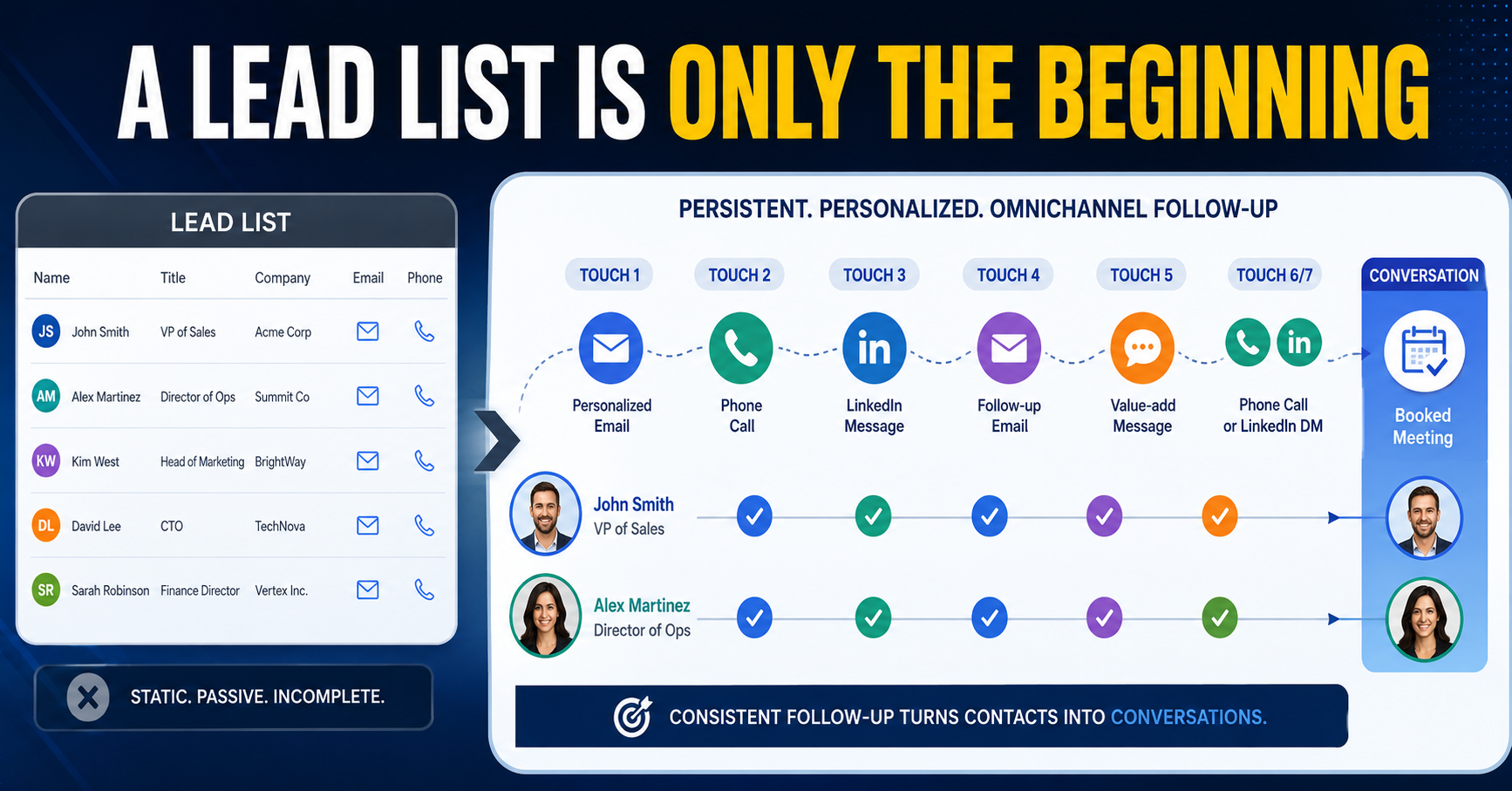
Most prospects will not convert after one touchpoint. A strong B2B Cold Calling Strategy should include coordinated follow-up across email, LinkedIn, and additional call attempts. Multi-channel engagement increases familiarity and gives prospects different ways to respond. Follow-up should add value rather than simply repeat the same message. Consistent and relevant follow-up improves conversion rates and pipeline quality.
The Role of the Human-AI Sales Approach in Cold Calling
A Human-AI Sales Approach allows businesses to improve cold calling performance without turning outreach into robotic automation. AI supports research, targeting, and efficiency, while human SDRs create conversations and relationships.
1. AI Improves Prospect Research and Prioritization
AI can help sales teams identify patterns, analyze account data, and prioritize prospects more efficiently. It can support lead scoring, company research, and buyer signal detection. This helps SDRs focus on accounts that are more likely to engage. However, AI should not replace human validation or judgment. The strongest results happen when technology supports the SDR instead of controlling the entire process.
2. Human SDRs Handle Nuance and Objections
Cold calls require emotional intelligence, adaptability, and active listening. Human SDRs can understand tone, respond to objections, and adjust the conversation based on what the buyer says. These skills are critical in B2B sales because buyers often have complex concerns and unique business situations. Automation cannot fully replicate that level of nuance. Human expertise is what turns call data into trust-building conversations.
3. AI Helps Improve Call Strategy Over Time
AI and analytics tools can help identify trends across call outcomes, messaging performance, and prospect engagement. Sales leaders can use this information to improve scripts, refine targeting, and coach SDRs more effectively. This creates a feedback loop that strengthens performance over time. Data-driven optimization makes cold calling more predictable and scalable. A modern B2B Cold Calling Strategy should use insights from every campaign to improve future results.
4. Human-AI Cold Calling Protects Personalization
The goal of using AI in cold calling should not be to remove the human element. It should be to give SDRs better information, better timing, and better preparation. Human SDRs then use that insight to create relevant and natural conversations. This protects the quality of outreach while improving efficiency. A Human-AI Sales Approach makes cold calling smarter without making it impersonal.
Common Mistakes in B2B Cold Calling Strategy
Many businesses fail at cold calling because they repeat outdated habits. Avoiding these mistakes can improve buyer experience and conversion rates.
1. Calling Without a Clear Reason
Prospects are unlikely to engage if the caller cannot explain why the call matters. A vague introduction or generic pitch creates immediate resistance. SDRs need a clear reason for calling that connects to the prospect’s role or company situation. The opening should quickly answer why the conversation is relevant. A strong reason for calling increases credibility and improves the chance of continuing the conversation.
2. Pitching Too Early
Many cold calls fail because the SDR starts selling before understanding the prospect’s needs. Buyers do not want to hear a full pitch before they know why it matters to them. Strong SDRs ask questions, listen carefully, and position the solution based on what they learn. This makes the conversation feel more consultative. Discovery should come before persuasion in modern cold calling.
3. Ignoring Buyer Intent Signals
Buyer intent can help determine which prospects are more likely to engage. Ignoring these signals forces SDRs to rely on random timing and broad outreach. Intent signals may include content engagement, website visits, category research, or business changes. When SDR teams align calling efforts with buyer intent, conversations become more relevant. Better timing improves both response rates and meeting quality.
4. Measuring Only Call Volume
Call volume matters, but it should not be the only measure of success. A team can make thousands of calls and still generate poor results if targeting, messaging, and qualification are weak. Better metrics include conversation quality, meeting conversion, sales acceptance, opportunity creation, and pipeline contribution. Measuring the right outcomes helps teams improve what actually matters. Quality-focused measurement leads to stronger cold calling performance.
Services Provided by Salaria Sales
Salaria Sales helps businesses build and execute a stronger B2B Cold Calling Strategy through expert SDR outsourcing, outbound sales development, appointment setting, and B2B lead generation. As a Full-Service B2B Sales & SDR Outsourcing Agency, Salaria Sales focuses on creating qualified conversations with the right buyers rather than relying on generic high-volume calling. The team works with clients to define Ideal Customer Profiles, build targeted prospect lists, develop relevant messaging, and execute multi-channel outreach across phone, email, and LinkedIn. Salaria Sales uses a Human-AI Sales Approach to improve research, targeting, prioritization, and campaign optimization while keeping skilled human SDRs at the center of buyer engagement. This ensures outreach remains personalized, professional, and aligned with modern buyer expectations. Clients benefit from trained SDRs who understand how to handle objections, qualify prospects, and book meetings that are more likely to convert. Salaria Sales also provides performance tracking and strategic feedback to improve results over time.
If you want to improve your B2B Cold Calling Strategy and turn more conversations into qualified meetings, book a meeting with the Salaria Sales team.
Conclusion
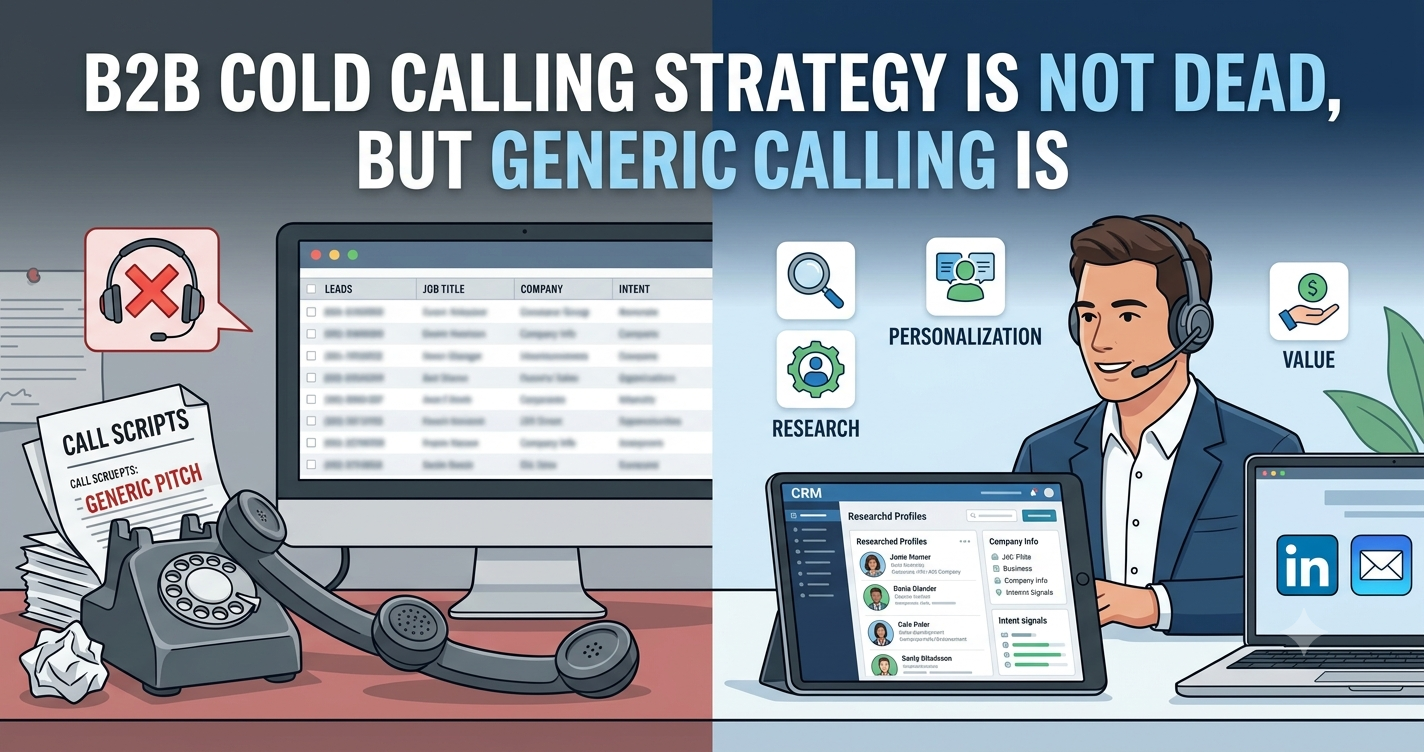
Cold calling is not dead, but generic cold calling is no longer effective. Modern buyers expect relevance, preparation, and value from the first interaction. Businesses that rely on outdated scripts, poor lead lists, and high-volume dialing often struggle with weak engagement and low-quality meetings. A better B2B Cold Calling Strategy combines precise targeting, buyer research, flexible messaging, multi-channel follow-up, and a Human-AI Sales Approach. This creates more meaningful conversations and improves pipeline quality. Cold calling still works because it gives businesses a direct way to understand buyers, build trust, and qualify opportunities in real time. The companies that succeed will not be the ones making the most calls. They will be the ones making the right calls to the right prospects with the right message. When done strategically, cold calling remains one of the most valuable tools in outbound sales development.
Frequently Asked Questions (FAQs)
1. What is a B2B Cold Calling Strategy?
A B2B Cold Calling Strategy is a structured plan for identifying, contacting, qualifying, and converting business prospects through phone-based outreach.
2. Is cold calling still effective in B2B sales?
Yes, cold calling is still effective when it is targeted, personalized, and supported by strong research, qualification, and follow-up.
3. Why does generic cold calling fail?
Generic cold calling fails because it uses broad targeting, scripted messaging, and irrelevant outreach that modern buyers often ignore.
4. How can businesses improve cold calling results?
Businesses can improve results by defining a clear ICP, researching prospects, personalizing outreach, using multi-channel follow-up, and tracking quality metrics.
5. What role does AI play in cold calling?
AI can support cold calling by improving research, targeting, lead prioritization, and performance analysis while human SDRs handle the conversations.
6. What is a Human-AI Sales Approach?
A Human-AI Sales Approach combines AI-driven insights with human communication, personalization, and relationship-building to improve sales performance.
7. How does SDR outsourcing support cold calling?
SDR outsourcing gives businesses access to trained sales development professionals who can handle prospecting, qualification, cold calling, and appointment setting.
8. Why is multi-channel follow-up important after cold calls?
Multi-channel follow-up improves visibility and response rates by connecting cold calls with email, LinkedIn, and additional personalized touchpoints.