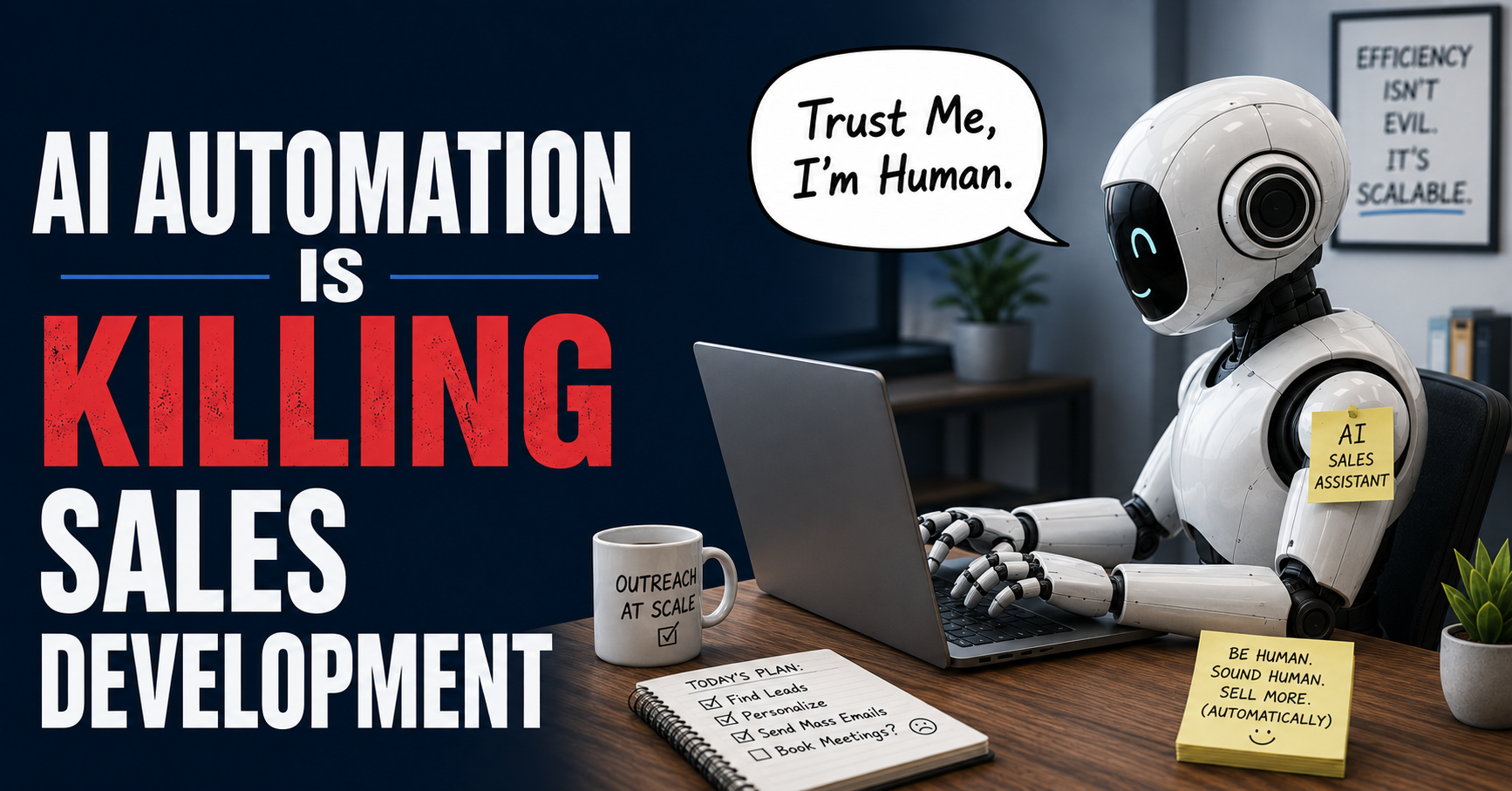
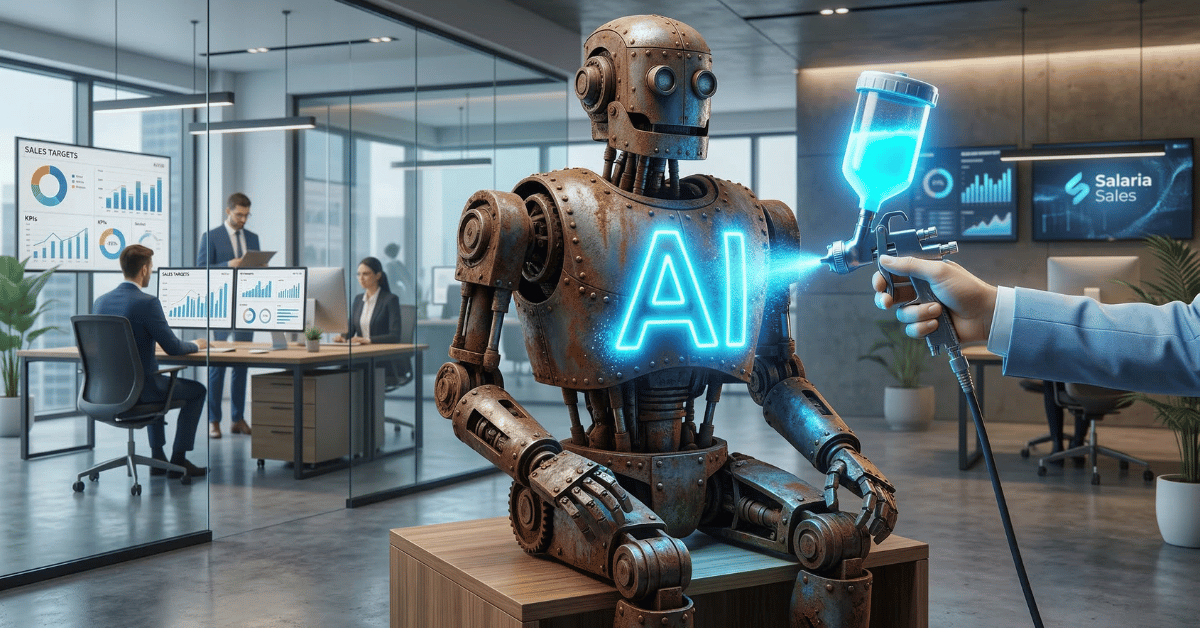
AI Washing in Sales Technology is everywhere today. Many tools claim to be powered by AI, but the real advantage comes from how technology is orchestrated with human expertise. Salaria Sales helps companies move beyond marketing buzzwords with a Human-AI approach that turns sales technology into real pipeline growth.
Artificial intelligence has become one of the most powerful marketing terms in the technology industry. Many companies now promote their products as AI powered solutions that promise to transform sales performance. However, a closer look at many of these tools reveals that the underlying technology is not new at all.
The concept of AI Washing in Sales Technology has emerged as organizations rebrand existing automation tools with artificial intelligence terminology. For buyers evaluating new sales platforms, it can be difficult to separate genuine innovation from marketing hype. This confusion often leads companies to invest in tools that promise dramatic improvements but deliver only marginal changes. Understanding what truly qualifies as artificial intelligence and how it should be used in sales operations is critical for modern organizations. Companies that combine advanced technology with human expertise are far more likely to generate meaningful results. Recognizing the difference between real AI capabilities and simple rebranding helps businesses make better technology decisions.
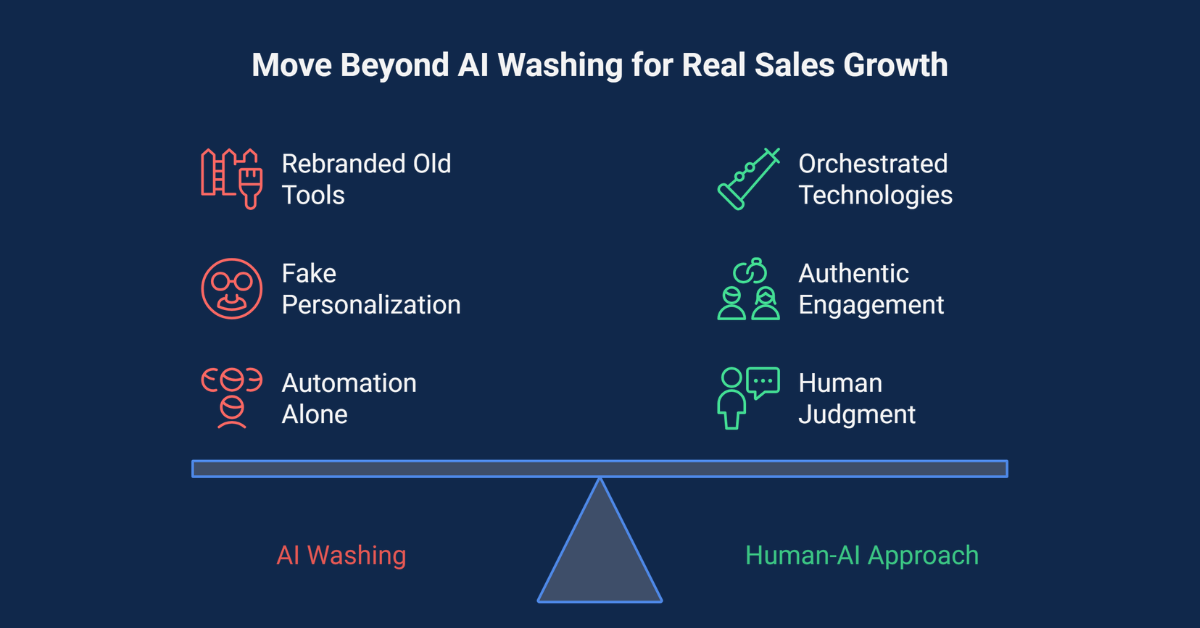
Understanding AI Washing in Sales Technology
The rapid growth of artificial intelligence has created enormous excitement in the sales technology market. At the same time it has also encouraged many vendors to position their products as AI driven even when the underlying functionality existed long before modern AI tools became popular. This trend is known as AI Washing in Sales Technology. Organizations evaluating new tools must understand how existing automation systems differ from true artificial intelligence solutions. The following areas illustrate how many technologies currently marketed as AI have actually existed for years in different forms.
1. Automated Customer Support Existed Before AI
Customer support automation has been around for decades in various forms. Many companies previously relied on rule based systems that guided users through structured menus or automated responses. These tools helped organizations manage large volumes of inquiries but were not driven by artificial intelligence.
Today these same systems are often marketed as AI powered support platforms. In reality the core functionality may still rely heavily on predefined workflows and scripted responses. While modern interfaces may appear more sophisticated, the fundamental automation principles remain similar.
Artificial intelligence can improve support systems by enabling more flexible conversation handling and deeper learning from interactions. However, the technology becomes truly valuable only when it is integrated with human oversight and strategic decision making.
A Human-AI Approach ensures that automated systems assist support teams rather than replacing the human judgment required for complex conversations.
2. Chatbots Were Used Long Before Modern AI
Chatbots have been part of online customer interaction for many years. Early versions relied on simple keyword recognition and scripted responses to answer frequently asked questions. These systems were helpful for basic tasks such as directing users to resources or collecting contact information.
In recent years many chatbot platforms have been rebranded as artificial intelligence assistants. While some systems now incorporate more advanced language processing, the overall concept of automated conversation is not new.
Many organizations mistakenly assume that deploying a chatbot automatically creates an AI driven customer experience. In reality, meaningful engagement still depends on the quality of the underlying strategy and how the system integrates with human teams.
Companies that combine conversational technology with human insight are better equipped to deliver useful and relevant interactions with prospects.
3. Email Marketing Automation Predates AI
Email automation has long been a core component of digital marketing strategies. Businesses have used automated sequences, triggered messages, and segmentation tools to manage campaigns for many years. These systems helped companies scale communication without requiring manual effort for every message.
As artificial intelligence gained popularity, many platforms began describing their automation features as AI driven outreach. In many cases the actual capabilities remained largely unchanged.
While AI can assist with analyzing campaign performance and suggesting improvements, the success of email outreach still depends heavily on messaging strategy and audience targeting.
A Human-AI Approach ensures that technology supports thoughtful communication rather than producing large volumes of generic messages.
4. The Rise of Fake Personalization
One of the most visible examples of AI Washing in Sales Technology is the rise of automated personalization tools. These systems gather publicly available data from social profiles or company websites and insert small details into outreach messages.
Although these messages appear personalized at first glance, most recipients quickly recognize that the content was generated automatically. References to job titles, universities, or company announcements often feel superficial rather than meaningful.
True personalization requires deeper understanding of the prospect’s business challenges and strategic priorities. This level of insight cannot be achieved through automation alone.
Sales teams that rely solely on automated personalization risk creating outreach that feels generic and insincere. Authentic engagement requires both technology and human research.
5. Real AI Requires Orchestration and Human Expertise
The most powerful use of artificial intelligence in sales comes from integrating multiple technologies and combining them with human expertise. AI tools can analyze data, support decision making, and assist with operational tasks. However, they cannot replace the strategic thinking required to design effective sales programs.
Successful organizations treat artificial intelligence as one component of a broader system that includes experienced sales professionals, market knowledge, and continuous experimentation. This orchestration allows teams to leverage the strengths of technology while maintaining the human judgment necessary for complex interactions.
The concept of AI Washing in Sales Technology highlights the importance of evaluating tools based on their real capabilities rather than marketing claims. Companies that adopt a Human-AI Approach are better positioned to turn technology investments into measurable business outcomes.
Services Provided by Salaria Sales
Salaria Sales helps organizations navigate the evolving landscape of AI Washing in Sales Technology by focusing on practical results rather than technology hype. As a Full-Service B2B Sales & SDR Outsourcing Agency, Salaria Sales designs outbound programs that combine advanced tools with experienced sales professionals to generate meaningful business conversations.
The foundation of the Salaria methodology is a Human-AI Approach that treats artificial intelligence as an operational support system rather than a replacement for human expertise. For each client engagement the team utilizes a broad network of sales technologies to support prospect research, campaign management, and performance analysis.
However, technology alone does not drive success. Human consultants continuously evaluate campaign performance, refine messaging, and adjust targeting strategies based on feedback from real conversations with prospects. This ensures that outreach remains authentic and relevant to the audience being targeted.
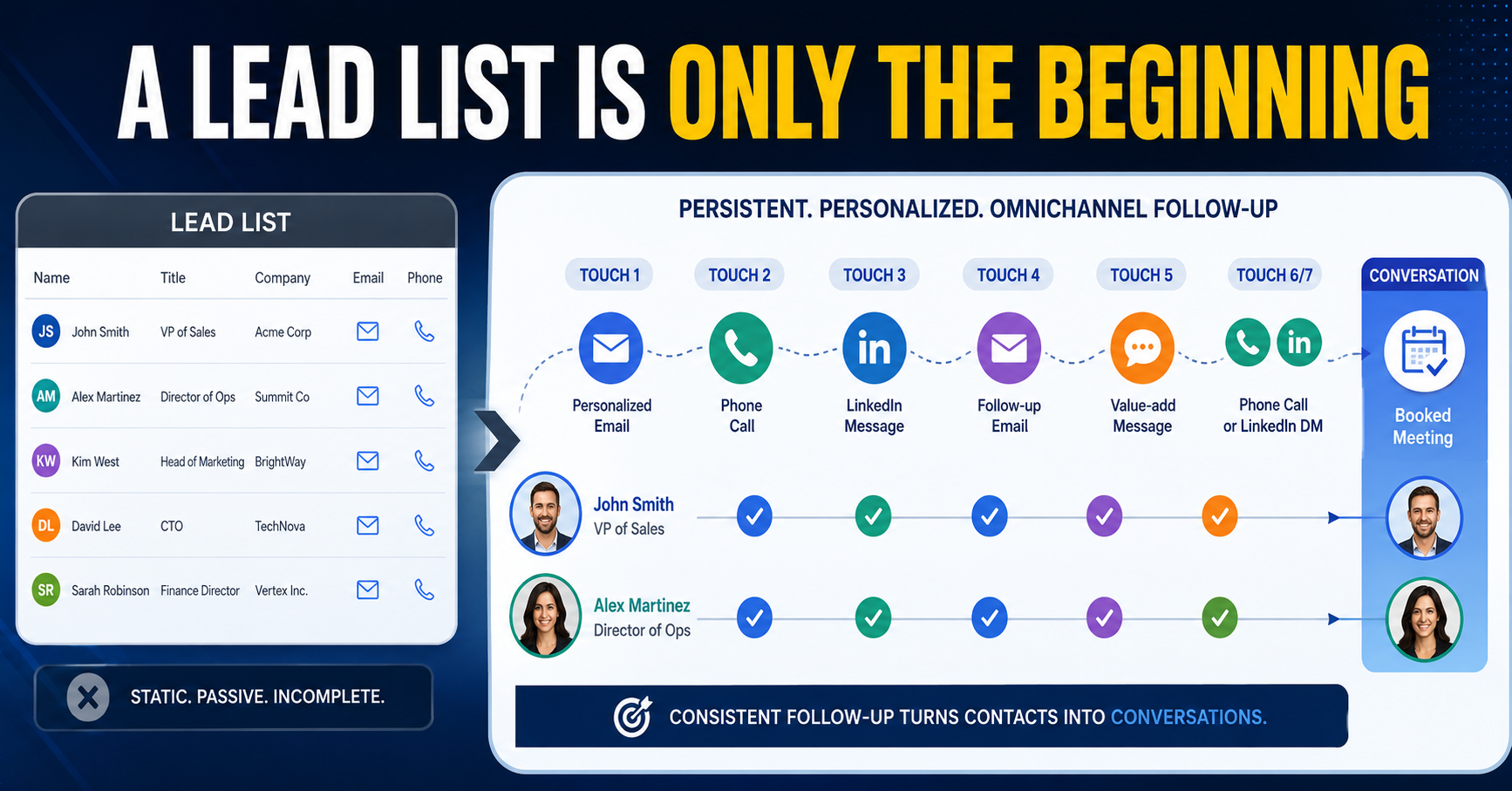
Salaria Sales also focuses on multi channel outbound strategies that combine phone outreach, email engagement, and professional networking communication. Each channel plays a role in building relationships with decision makers and generating qualified sales opportunities.
By integrating technology with human insight, Salaria Sales helps organizations avoid the traps of AI Washing in Sales Technology and instead build effective outbound sales systems that deliver consistent pipeline growth.
If you want to build a modern outbound sales strategy that goes beyond technology buzzwords and focuses on real results, schedule a meeting with the Salaria Sales team.
Conclusion
Artificial intelligence has introduced powerful new capabilities to the world of sales technology. At the same time the rapid popularity of AI has encouraged many companies to rebrand existing automation tools as artificial intelligence solutions. This trend has created confusion for organizations trying to evaluate which technologies truly provide meaningful improvements.
Understanding AI Washing in Sales Technology helps businesses separate genuine innovation from simple marketing language. Many technologies currently described as AI have existed for years in different forms. The difference lies in how these tools are integrated into a broader strategy.
A Human-AI Approach ensures that automation enhances sales operations while human expertise continues to guide decision making, messaging, and relationship building. Technology can process data and support workflows, but strategic thinking remains essential for successful B2B sales.
Organizations that focus on combining the strengths of technology with experienced sales professionals are far more likely to generate high quality opportunities and sustainable revenue growth. By looking beyond marketing claims and evaluating how tools actually function, companies can build sales systems that truly deliver results.