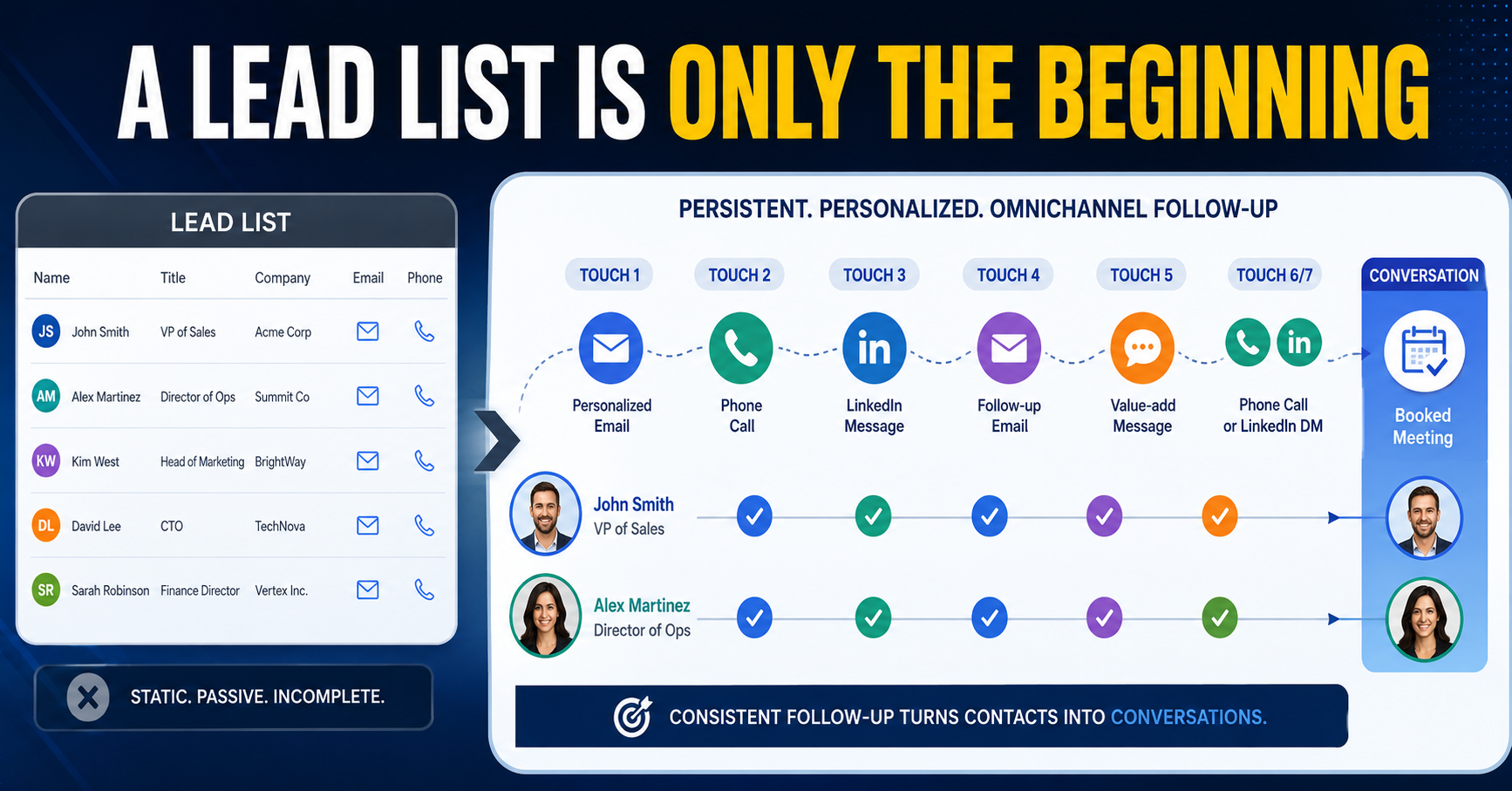

Many companies underestimate how SDR outsourcing pricing models impact sales results. The right model should prioritize quality conversations and real pipeline growth. Salaria Sales uses a Human-AI approach to deliver strategic outbound programs that drive measurable B2B revenue outcomes.
Sales leaders evaluating outsourced sales development often focus heavily on cost. However, the structure behind SDR Outsourcing Pricing Models can have a significant impact on pipeline quality, brand reputation, and long term growth. Many organizations assume that all pricing models are similar, but in reality each structure creates very different incentives for the agency delivering the service. Some models prioritize volume at any cost while others focus on strategic pipeline generation and long term success. Understanding how these pricing structures work helps businesses avoid partnerships that produce low quality meetings, damage brand reputation, or waste budget on ineffective outreach. A well designed SDR outsourcing partnership should align incentives with real business outcomes rather than just activity metrics. Companies that evaluate pricing models carefully often achieve better results from their outbound programs. This article explains the most common SDR Outsourcing Pricing Models, the hidden risks behind them, and why a strategic retainer approach supported by a Human-AI sales methodology is becoming the preferred model for modern B2B organizations.
Understanding SDR Outsourcing Pricing Models
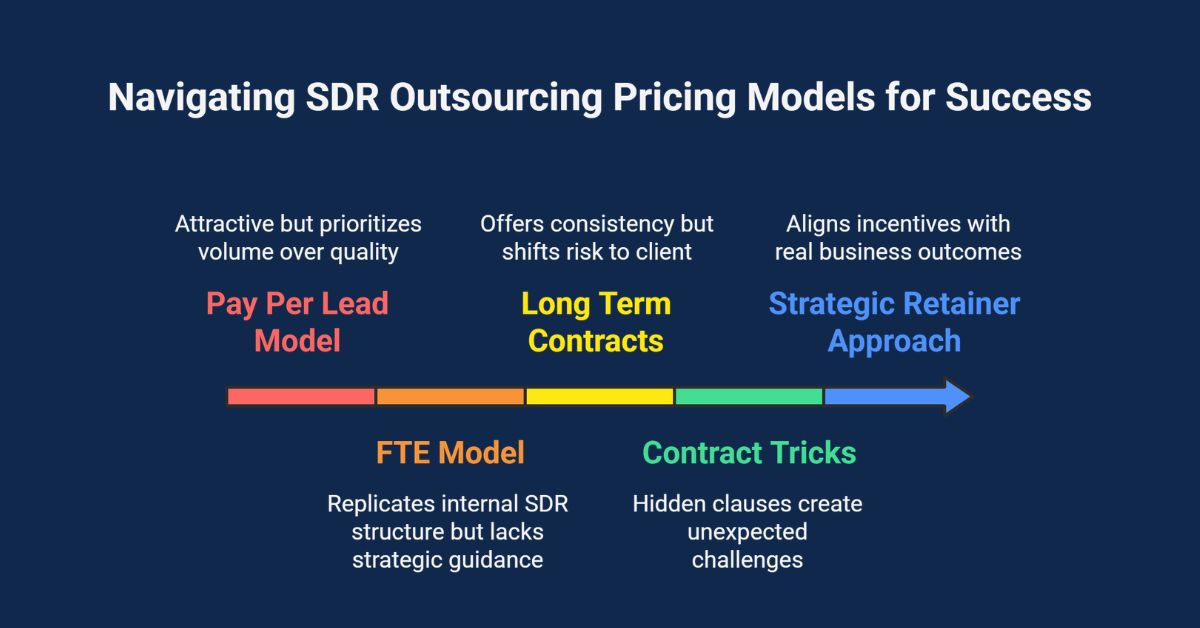
Companies exploring outsourced sales development quickly encounter several different pricing structures. While these models may appear similar at first glance, they create very different incentives for agencies and sales teams. Understanding how these pricing approaches operate helps businesses evaluate whether a partner is focused on true sales outcomes or simply maximizing activity volume. Many traditional SDR outsourcing providers rely on models that encourage quantity rather than quality. The following sections explain the most common SDR Outsourcing Pricing Models and what organizations should consider before choosing one.
1.Pay Per Lead Model
The pay per lead model is one of the most widely advertised pricing structures in outsourced sales development. In this approach the client only pays when a meeting or lead is generated. While this sounds attractive at first, it often encourages agencies to focus on booking any meeting possible rather than securing high quality opportunities that convert into revenue.
Because compensation is tied to the number of meetings scheduled, agencies operating under a pay per lead model often prioritize speed and volume over research and personalization. SDRs may rely on low quality data sources or large email blasts to generate meetings quickly. This can result in conversations with poorly qualified prospects that have little interest in the solution being offered.
Another challenge with the pay per lead model is the constant debate over what qualifies as a valid meeting. Clients and agencies frequently disagree about whether a meeting was relevant, which can create tension and misaligned expectations. Instead of focusing on pipeline growth, both sides end up arguing about metrics.
There is also a risk to brand reputation when agencies are incentivized purely by meeting volume. Aggressive outreach tactics can damage domain health and create negative experiences for potential buyers. For companies focused on long term market credibility, this approach often creates more harm than value.
2. FTE Model
The full time equivalent model attempts to replicate the structure of hiring an internal SDR while outsourcing the operational responsibility to an agency. In this model the client essentially pays for a dedicated representative who performs outreach activities on behalf of the company.
While this structure can provide consistency, it also has several limitations. A single SDR can only manage a limited number of campaigns and activities at any given time. If the individual lacks experience in complex B2B selling environments, the outreach strategy may struggle to produce meaningful results.
Many agencies offering the FTE model operate similarly to staffing or recruitment firms. Their role becomes filling a seat rather than delivering a comprehensive sales strategy. The client receives an individual contributor but not necessarily the strategic guidance needed to improve targeting, messaging, or campaign structure.
In modern sales environments the most effective outbound programs rely on a combination of technology, automation, analytics, and human expertise. A single SDR operating alone rarely has access to the tools or support required to execute this type of strategy. Organizations that require a scalable outbound program often need a broader approach than the traditional FTE structure can provide.
3. Long Term Contracts
Another common structure within SDR Outsourcing Pricing Models is the long term contract. Some agencies require commitments of six to twelve months before they begin delivering services. These contracts are often accompanied by large upfront payments or significant financial obligations.
The justification for long term contracts is typically related to onboarding and training costs. Agencies argue that they must invest time and resources into learning a client’s business before generating results. While there is some truth to this process, the contract structure can also shift risk away from the agency and onto the client.
When companies are locked into lengthy agreements, they may feel obligated to continue working with a partner even if results are not meeting expectations. The lack of flexibility reduces accountability and can delay important adjustments to the sales strategy.
In contrast, modern sales partnerships increasingly favor month to month engagement structures. This approach creates stronger alignment between the agency and the client because performance must be maintained consistently in order to continue the relationship.
4. Contract Tricks
Beyond the basic structure of pricing models, many contracts contain fine print that can create unexpected challenges for buyers. Certain agreements include performance guarantees that appear attractive but contain clauses that make them difficult to enforce.
For example, an agency may promise a certain number of meetings but define the qualification criteria in ways that allow them to count almost any interaction as success. In other cases the guarantee may include conditions that make it nearly impossible for the client to claim a refund or adjustment.
Another common issue involves minimum activity commitments rather than meaningful outcomes. Agencies may highlight metrics such as emails sent or calls made instead of focusing on pipeline creation and revenue impact. These metrics create the appearance of productivity without necessarily delivering value.
Organizations evaluating SDR Outsourcing Pricing Models should review contracts carefully and ensure that expectations are aligned with real business objectives. Transparency in pricing and performance measurement is critical for building a successful outsourcing partnership.
Services Provided by Salaria Sales
Salaria Sales operates as a Full-Service B2B Sales & SDR Outsourcing Agency that focuses on building strategic outbound programs designed for long term pipeline growth. Rather than relying on outdated pricing structures that prioritize activity volume, Salaria Sales works with clients through a retainer model that aligns incentives with real sales outcomes. This approach allows the team to focus on quality conversations, targeted outreach strategies, and continuous campaign improvement.
At the core of the Salaria Sales methodology is a Human-AI approach that combines experienced sales consultants with advanced technology orchestration. For each client engagement the team utilizes a network of sales technologies, analytics platforms, and automation systems to build highly optimized outreach campaigns. At the same time human expertise remains central to the process, ensuring messaging quality, strategic adjustments, and personalized communication with prospects.
Salaria Sales also provides multi channel outbound programs that include phone outreach, email engagement, LinkedIn prospecting, and targeted messaging strategies. Each campaign is continuously analyzed and refined to ensure that outreach resonates with the ideal customer profile. This iterative process allows clients to reach decision makers more effectively while maintaining brand integrity.
By combining strategic sales consulting with modern technology and human expertise, Salaria Sales helps B2B organizations generate qualified meetings, accelerate pipeline growth, and create sustainable revenue opportunities through outsourced sales development.
If you are evaluating SDR Outsourcing Pricing Models and want to build a strategic outbound program that prioritizes quality over volume, schedule a conversation with the Salaria Sales team.
Conclusion
Choosing the right SDR Outsourcing Pricing Models can determine whether an outbound sales program becomes a source of sustainable growth or a costly experiment. Pricing structures that emphasize meeting volume or rigid contracts often create incentives that do not align with real business objectives. Companies may see activity metrics increase while pipeline quality declines. Understanding how these models operate allows sales leaders to evaluate partners more effectively and select providers that prioritize long term success.
Modern B2B organizations are increasingly shifting toward strategic outsourcing relationships that combine advanced technology with experienced sales professionals. A Human-AI approach ensures that automation supports the sales process while human expertise drives strategy, personalization, and meaningful conversations with buyers. This balance allows outbound programs to scale while maintaining authenticity and relevance.
By focusing on transparency, flexibility, and continuous optimization, companies can transform SDR outsourcing into a powerful engine for pipeline generation and revenue growth. Organizations that take the time to understand these pricing models are far more likely to build partnerships that deliver consistent and measurable sales results.