SDR Outsourcing works best when technology supports people, not when it replaces them. Salaria Sales combines human expertise with a Human-AI Sales Approach to build smarter outreach, better meetings, and stronger pipeline.
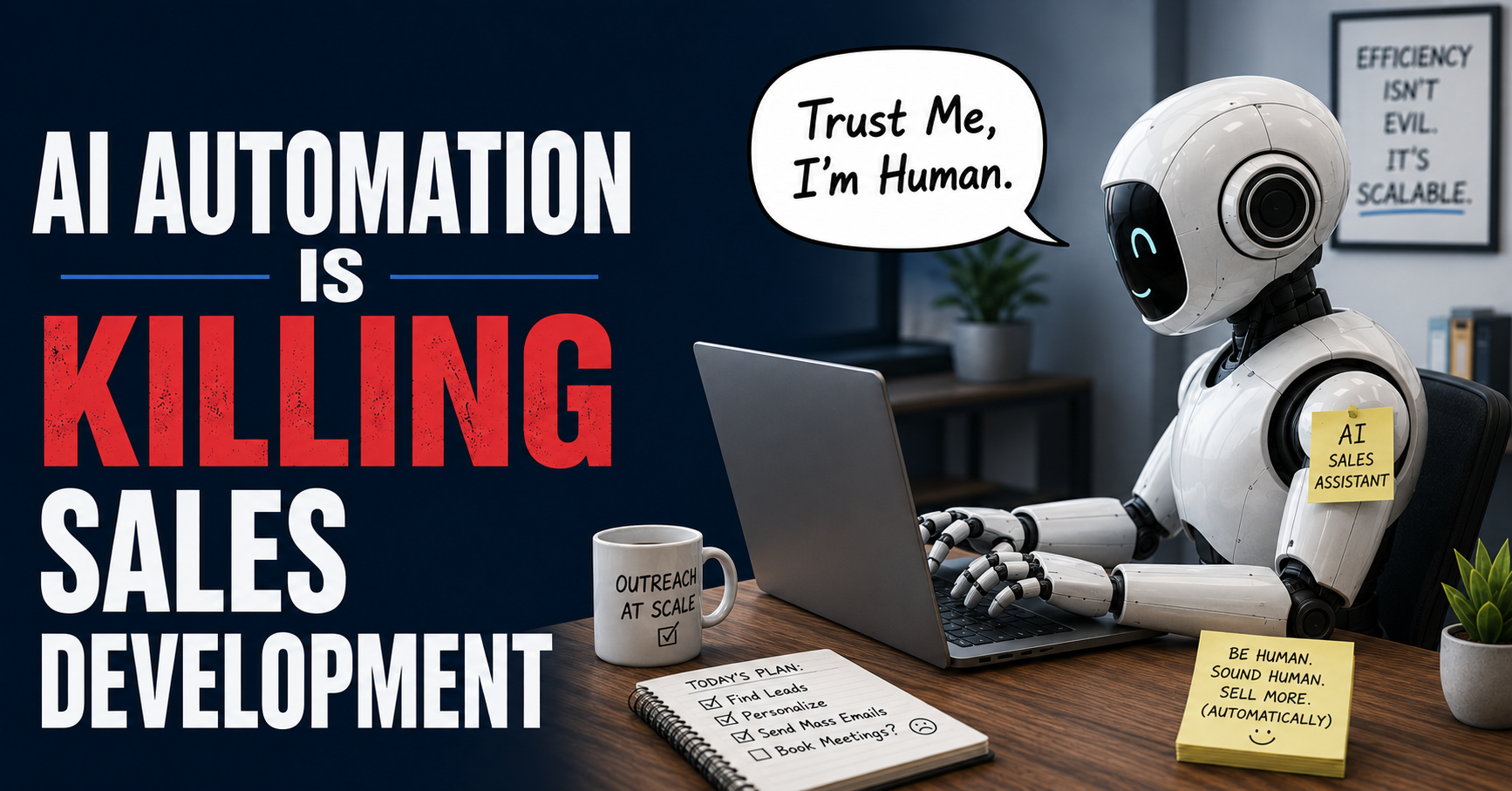
Modern SDR Outsourcing has changed significantly as AI, automation, and data tools reshape how businesses approach outbound sales development. Many companies are looking for faster ways to generate pipeline, reduce internal hiring pressure, and scale B2B lead generation. However, the best results do not come from replacing human SDRs with automated systems. They come from combining technology with skilled human judgment. Automation can help with repetitive tasks, research support, CRM updates, and prospect prioritization, but it cannot fully replace the human ability to understand tone, handle objections, build trust, and create meaningful conversations. Modern buyers are overwhelmed by generic outreach and are quick to ignore messages that feel robotic or irrelevant. This is why a Human-AI Sales Approach is now essential in SDR Outsourcing. Businesses need outsourced SDR teams that use AI intelligently while keeping human expertise at the center of sales development strategy, appointment setting, and buyer engagement.
What Is SDR Outsourcing
SDR Outsourcing is the practice of hiring an external sales development team to manage prospecting, outreach, qualification, appointment setting, and early-stage pipeline generation. It helps businesses scale outbound sales development without building a full internal SDR team from scratch.
1. SDR Outsourcing Supports Pipeline Growth
SDR Outsourcing helps companies create consistent top-of-funnel activity by placing trained sales development professionals in charge of prospecting and outreach. These SDRs identify target accounts, engage prospects, qualify interest, and schedule meetings with the sales team. This allows account executives to focus on discovery, proposals, and closing deals instead of spending large amounts of time on prospecting. When done correctly, SDR outsourcing improves pipeline consistency and sales team productivity. The goal is not just to create more activity but to generate qualified conversations that can turn into revenue.
2. SDR Outsourcing Reduces Hiring and Training Burden
Building an internal SDR team requires recruiting, onboarding, training, management, technology, quality control, and performance reporting. Many companies underestimate how much time and cost this requires. SDR Outsourcing gives businesses access to trained professionals and established sales development systems more quickly. This is especially valuable for companies that need pipeline growth but do not want to build an entire internal team immediately. A strong outsourced SDR partner can help reduce operational complexity while improving outbound execution.
3. SDR Outsourcing Requires Strategy, Not Just Staffing
Outsourcing SDR work is not just about adding callers or email senders. It requires a clear sales development strategy that defines the Ideal Customer Profile, messaging, outreach channels, qualification standards, and reporting process. Without strategy, outsourced SDRs may generate activity that does not convert into meaningful pipeline. The best SDR outsourcing programs are built around targeting, relevance, and sales readiness. A strategic approach ensures that outsourced SDRs act as an extension of the business rather than a disconnected vendor.
4. SDR Outsourcing Works Best With Human-AI Execution
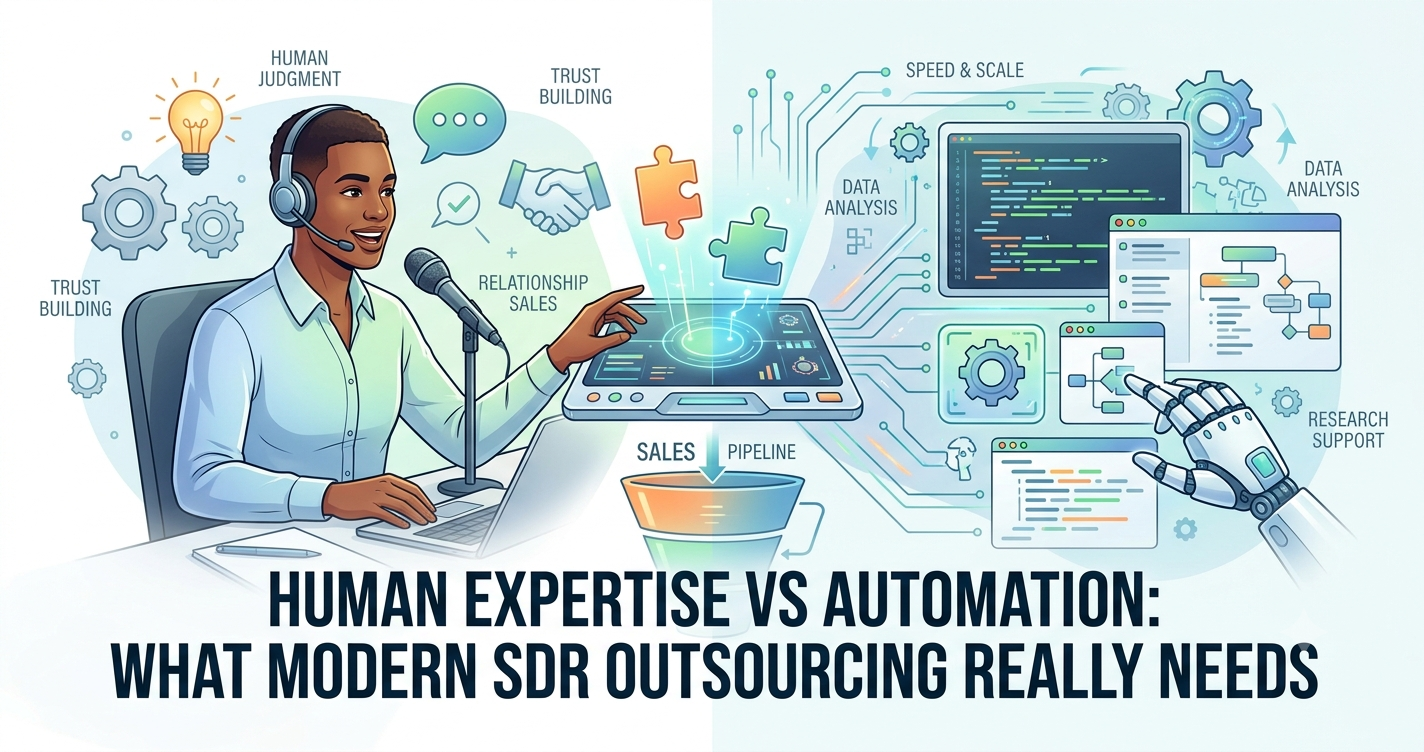
Modern SDR Outsourcing performs best when human expertise is supported by AI and automation. AI can help with data analysis, account research, intent signal identification, and workflow efficiency. Human SDRs then use those insights to create personalized conversations, ask thoughtful questions, and qualify opportunities. This balance improves productivity without sacrificing buyer experience. A Human-AI Sales Approach helps businesses scale outreach while keeping communication relevant, professional, and human.
Why Automation Alone Is Not Enough in SDR Outsourcing
Automation can be useful, but relying on it too heavily creates weak outreach, poor buyer engagement, and low-quality pipeline. Modern buyers expect relevance, context, and human understanding.
1. Automation Cannot Fully Understand Buyer Context
Automated systems can collect data and send messages, but they often struggle to understand the deeper business context behind a prospect’s situation. A buyer’s priorities may depend on company growth, internal pressure, market changes, leadership goals, or operational challenges. Human SDRs can interpret these signals and shape the conversation accordingly. Without human judgment, automation often produces outreach that feels generic or poorly timed. Buyer context is essential for creating conversations that lead to real opportunities.
2. Automated Outreach Often Feels Generic
Many automated outreach systems rely on templates and merge fields that create the appearance of personalization without real relevance. Prospects can quickly recognize messages that were sent at scale with minimal thought. This weakens trust and reduces response rates. Modern B2B buyers expect outreach to reflect their role, company, and likely pain points. Human SDRs can use automation-supported research to create messaging that feels specific, useful, and credible.
3. Automation Cannot Handle Nuanced Objections
Sales conversations are rarely predictable. Prospects may raise objections about timing, budget, priorities, existing vendors, internal approval, or uncertainty about the value of a meeting. Automated systems cannot respond to these objections with the same flexibility as a trained SDR. Human expertise allows SDRs to listen, clarify, and adapt the conversation in real time. This is especially important in complex B2B sales where trust and nuance influence buyer decisions.
4. Too Much Automation Can Damage Brand Reputation
Over-automation can make a company appear careless, spam-like, or disconnected from buyer needs. When prospects receive repetitive emails, irrelevant messages, or poorly timed follow-ups, they may develop a negative impression of the brand. This can hurt future engagement and reduce market trust. SDR Outsourcing should protect brand reputation by ensuring every outreach touchpoint feels professional and relevant. A Human-AI Sales Approach helps businesses scale while maintaining quality control.
Why Human Expertise Still Matters in SDR Outsourcing
Human SDRs remain essential because B2B sales is built on trust, relevance, conversation quality, and relationship-building. Technology can support these activities, but people still drive the most important buyer interactions.
1. Human SDRs Build Trust Through Conversation
Trust is one of the most important factors in B2B sales. Human SDRs can build trust through tone, empathy, active listening, and relevant communication. A well-trained SDR can make a cold conversation feel thoughtful and useful rather than intrusive. This matters because buyers are more likely to engage when they feel understood. Trust cannot be fully automated because it depends on human interaction and judgment.
2. Human SDRs Qualify Beyond Surface-Level Data
AI and automation can identify potential prospects, but qualification often requires conversation. A prospect may match the Ideal Customer Profile on paper but still lack budget, urgency, authority, or internal readiness. Human SDRs can ask discovery questions and evaluate whether the opportunity is worth moving forward. This improves meeting quality and protects account executives from low-value conversations. Strong qualification is one of the biggest advantages of human-led SDR outsourcing.
3. Human SDRs Adapt Messaging in Real Time
A sales conversation can shift quickly based on the prospect’s response. Human SDRs can adjust tone, reframe value, answer questions, and change direction based on what they hear. This adaptability makes conversations more natural and more effective. Automation works best when the path is predictable, but real buyer conversations often are not. Human expertise allows SDR teams to respond intelligently in the moment.
4. Human SDRs Create Better Buyer Experiences
The buyer experience begins before the first sales meeting. Every email, call, LinkedIn message, and follow-up shapes how prospects view the company. Human SDRs help create a better experience by making outreach feel relevant, respectful, and helpful. This improves engagement and increases the likelihood of future conversations. A strong SDR outsourcing partner understands that appointment setting is not only about booking meetings, but also about representing the client’s brand well.
What Modern SDR Outsourcing Really Needs
Modern SDR Outsourcing needs a combination of strategic planning, human skill, AI support, strong process, and continuous optimization. The best programs are built for quality pipeline, not just activity volume.
1. A Clear Sales Development Strategy
Every successful SDR outsourcing program starts with a strong sales development strategy. This includes defining the target market, Ideal Customer Profile, messaging framework, outreach channels, qualification criteria, and success metrics. Without this foundation, SDRs may produce activity that does not support revenue goals. A clear strategy keeps everyone aligned and ensures that outreach is focused on the right buyers. Strong strategy turns outsourced SDR execution into a predictable growth engine.
2. A Human-AI Sales Approach
A Human-AI Sales Approach helps outsourced SDR teams work faster without losing personalization. AI can support prospect research, account prioritization, buyer intent analysis, and performance reporting. Human SDRs use those insights to create better messaging, qualify opportunities, and build relationships. This combination improves both efficiency and buyer engagement. Modern SDR Outsourcing needs AI as an enhancer of human performance, not a replacement for it.
3. Strong Training and Quality Assurance
SDR performance depends heavily on training and quality control. Outsourced SDRs need to understand the client’s value proposition, target buyers, objections, and qualification standards. Regular coaching, call reviews, message testing, and performance analysis help maintain high standards. Without quality assurance, outreach can become inconsistent or misaligned with the brand. Strong SDR outsourcing partners invest in training because better SDRs create better pipeline.
4. Performance Metrics That Focus on Revenue Quality
Measuring only emails sent, calls made, or meetings booked can create misleading results. Modern SDR Outsourcing should track sales accepted meetings, meeting-to-opportunity conversion, pipeline contribution, response quality, and revenue impact. These metrics show whether SDR activity is producing meaningful business outcomes. Quality-focused measurement encourages SDR teams to prioritize the right conversations. This helps businesses avoid calendar fills that do not convert.
The Role of AI in SDR Outsourcing
AI plays an important role in modern SDR Outsourcing, but its value depends on how it is used. The strongest results come when AI improves research, targeting, and efficiency while human SDRs remain responsible for communication and qualification.
1. AI Supports Prospect Research
AI can quickly analyze company information, summarize account details, and identify relevant business signals. This helps SDRs prepare faster and personalize outreach more effectively. AI can also reduce the time spent on repetitive research tasks. However, human SDRs still need to decide which insights matter and how to use them in messaging. AI speeds up preparation, but humans create relevance.
2. AI Helps Prioritize Accounts
Not every prospect deserves the same level of attention. AI can help identify accounts that show stronger fit, engagement, or intent signals. This allows SDR teams to focus on prospects with higher conversion potential. Better prioritization improves productivity and reduces wasted outreach. In SDR Outsourcing, this helps teams use their time more effectively and create stronger pipeline outcomes.
3. AI Improves Campaign Analysis
AI and analytics tools can help identify which messages, segments, channels, and sequences perform best. This allows sales leaders to improve campaigns based on real performance data. SDR teams can use these insights to adjust messaging, improve timing, and refine targeting. Continuous analysis creates a stronger feedback loop. Over time, AI-supported optimization helps improve both efficiency and conversion rates.
4. AI Should Not Replace Human Conversations
AI can improve the sales development process, but it should not replace the human conversations that drive trust and qualification. Buyers want to engage with knowledgeable professionals who can understand their situation and respond thoughtfully. Fully automated outreach often misses the nuance required for complex B2B sales. Human SDRs remain essential for creating meaningful engagement. The best use of AI is to make human sellers more effective.
Common Mistakes in SDR Outsourcing
Many SDR outsourcing programs fail because they focus on speed or cost savings without building the right strategy, training, and quality controls. Avoiding these mistakes can improve results significantly.
1. Choosing Automation Over Expertise
Some companies select SDR outsourcing providers because they promise high activity through automation. This can create surface-level results but often fails to produce quality pipeline. Expertise matters because SDRs need to understand buyers, handle objections, and qualify opportunities. Automation without expertise can damage buyer experience and brand reputation. A strong outsourcing partner should combine technology with trained human SDRs.
2. Focusing Only on Meeting Volume
Meeting volume is important, but it should not be the only measure of success. A large number of unqualified meetings can waste account executive time and create misleading pipeline reports. SDR Outsourcing should focus on meetings that match the Ideal Customer Profile and show real sales potential. Quality meetings are more likely to convert into opportunities and revenue. Businesses should measure success by pipeline impact, not calendar activity alone.
3. Skipping ICP and Messaging Alignment
Outsourced SDRs need clear direction before they begin outreach. If the ICP is vague or messaging is unclear, campaign performance will suffer. Sales teams may end up targeting the wrong buyers with weak value propositions. Alignment on ICP, messaging, and qualification standards is essential for success. The best SDR outsourcing programs begin with strategy before execution.
4. Failing to Review and Optimize
SDR Outsourcing is not a set-it-and-forget-it function. Campaigns need ongoing review, feedback, and improvement. Teams should analyze call outcomes, email performance, buyer objections, and meeting conversion. This helps refine targeting and improve messaging over time. Continuous optimization separates strong SDR outsourcing programs from low-quality outbound activity.
How to Choose a Modern SDR Outsourcing Partner
Choosing the right SDR outsourcing partner requires evaluating more than cost or promised meeting volume. Businesses should look for strategy, process, expertise, and a clear commitment to quality.
1. Look for a Strategy-First Approach
A strong SDR outsourcing partner should ask about your Ideal Customer Profile, buyer personas, sales goals, positioning, and current pipeline challenges. If a provider immediately focuses only on activity volume, that may be a warning sign. Strategy-first partners understand that outbound sales development depends on targeting, messaging, and qualification. They should be able to explain how they will build a campaign around your business goals. Strategy creates the foundation for stronger results.
2. Evaluate Human SDR Quality
The quality of the SDR team matters as much as the process. Ask how SDRs are trained, coached, evaluated, and supported. Strong SDRs should be able to communicate clearly, think critically, and represent your brand professionally. They should understand how to qualify prospects and create meaningful conversations. Human expertise is one of the most important factors in successful SDR outsourcing.
3. Understand How AI Is Used
AI should be used to improve targeting, research, personalization, and reporting. It should not be used as a shortcut for generic mass outreach. Businesses should ask how AI supports the SDR team and where human judgment remains involved. A strong Human-AI Sales Approach uses technology to enhance quality, not simply increase volume. The right partner will be transparent about how AI fits into the workflow.
4. Ask About Reporting and Optimization
A good SDR outsourcing partner should provide clear reporting on performance, meeting quality, engagement, and pipeline impact. Reports should help leadership understand what is working and where improvements are needed. Ongoing optimization should be part of the service, not an afterthought. Strong reporting helps connect SDR activity to revenue outcomes. This creates accountability and better long-term performance.
Services Provided by Salaria Sales
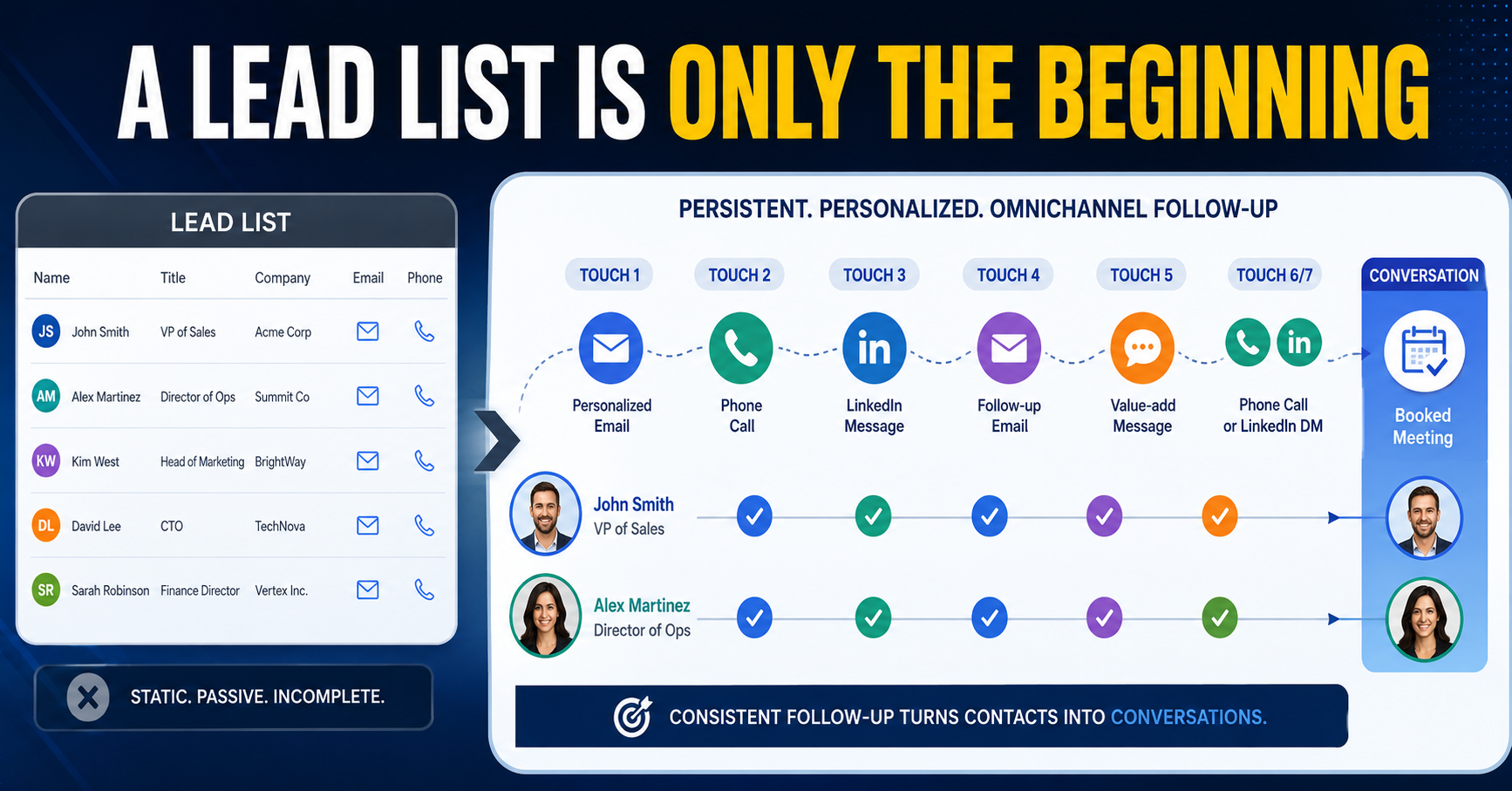
Salaria Sales helps businesses improve SDR Outsourcing through a strategy-first, quality-focused, and Human-AI Sales Approach. As a Full-Service B2B Sales & SDR Outsourcing Agency, Salaria Sales combines outbound sales development, B2B lead generation, appointment setting, cold calling, personalized email outreach, LinkedIn outreach, prospect research, and campaign optimization into a complete sales development system. The team works with clients to define the Ideal Customer Profile, build targeted prospect lists, create relevant messaging, and qualify buyers before booking meetings. Salaria Sales uses AI to support research, targeting, buyer intent analysis, and performance insights while keeping trained human SDRs responsible for buyer conversations and relationship-building. This ensures outreach is efficient without becoming generic or robotic. Clients benefit from experienced SDR professionals who understand how to personalize outreach, handle objections, and create sales-ready meetings. With structured reporting and continuous optimization, Salaria Sales helps businesses build stronger pipeline quality, improve conversion rates, and scale outbound sales development with confidence.
If you want SDR Outsourcing that combines human expertise with smart AI support, book a meeting with the Salaria Sales team here: https://salariasales.com/book/
Conclusion
Modern SDR Outsourcing requires more than automation, databases, and high-volume outreach. Businesses need a partner that understands strategy, buyer behavior, qualification, and the human side of sales conversations. AI can make outbound sales development more efficient, but it cannot replace the trust-building, judgment, and adaptability that skilled SDRs bring to the process. The strongest results come from a Human-AI Sales Approach where technology improves research, targeting, and analysis while human SDRs create meaningful engagement. Companies that rely only on automation risk poor buyer experiences, weak meeting quality, and damaged brand perception. Companies that combine AI with human expertise can improve pipeline quality, increase conversion rates, and build more predictable revenue. SDR Outsourcing works best when it is treated as a strategic revenue function, not just a staffing shortcut. The future belongs to teams that use technology wisely while keeping human connection at the center of sales development.
Frequently Asked Questions (FAQs)
1. What is SDR Outsourcing?
SDR Outsourcing is the process of hiring an external sales development team to handle prospecting, outreach, qualification, appointment setting, and pipeline generation.
2. Why is human expertise important in SDR Outsourcing?
Human expertise is important because SDRs need to build trust, understand buyer context, handle objections, and qualify opportunities through real conversations.
3. How does AI support SDR Outsourcing?
AI supports SDR Outsourcing by improving prospect research, account prioritization, buyer intent analysis, outreach timing, and performance reporting.
4. Can automation replace SDRs?
Automation can support SDRs, but it cannot fully replace human communication, relationship-building, objection handling, and qualification in complex B2B sales.
5. What is a Human-AI Sales Approach?
A Human-AI Sales Approach combines AI-driven insights and automation with human SDR expertise to improve personalization, efficiency, and pipeline quality.
6. What should businesses look for in an SDR outsourcing partner?
Businesses should look for strategy, trained SDRs, clear ICP alignment, strong quality assurance, transparent reporting, and a balanced Human-AI Sales Approach.
7. How does SDR Outsourcing improve B2B lead generation?
SDR Outsourcing improves B2B lead generation by providing experienced prospecting support, structured outreach, better qualification, and consistent pipeline creation.
8. What metrics should SDR outsourcing programs track?
Important metrics include sales accepted meetings, meeting-to-opportunity conversion, response rates, pipeline contribution, show rates, and revenue impact.