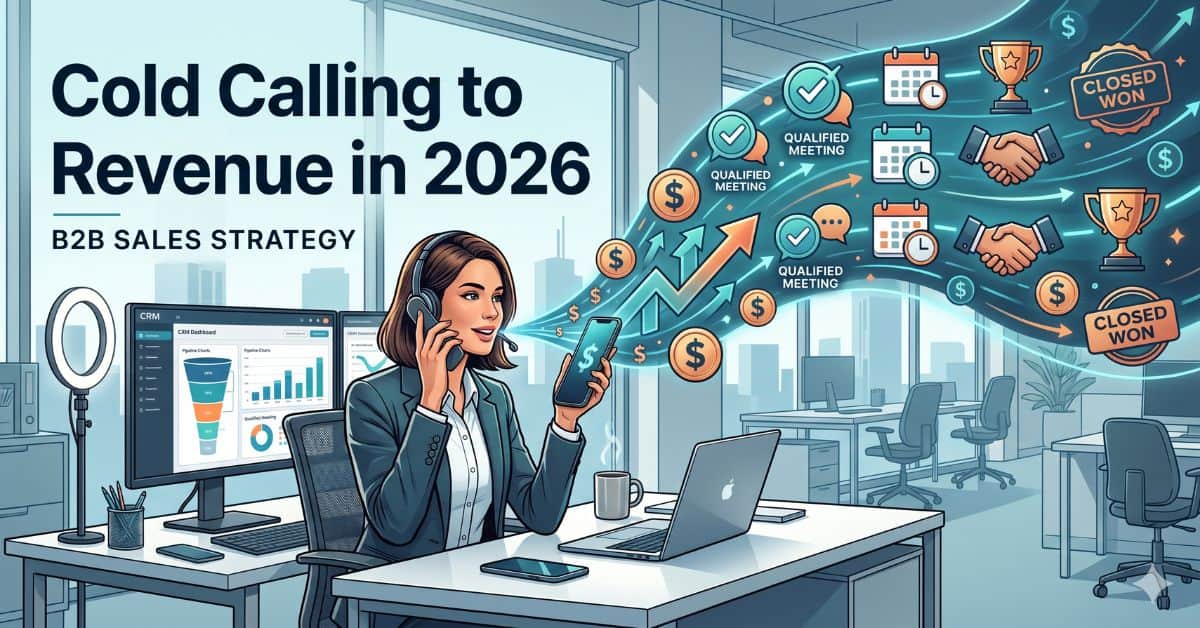
Cold calling is not dead. Lazy cold calling is. In 2026, the teams turning calls into revenue are not dialing the most numbers. They are doing the most research, calling the right people, and following up with purpose.
Cold calling has a branding problem, not a performance problem.
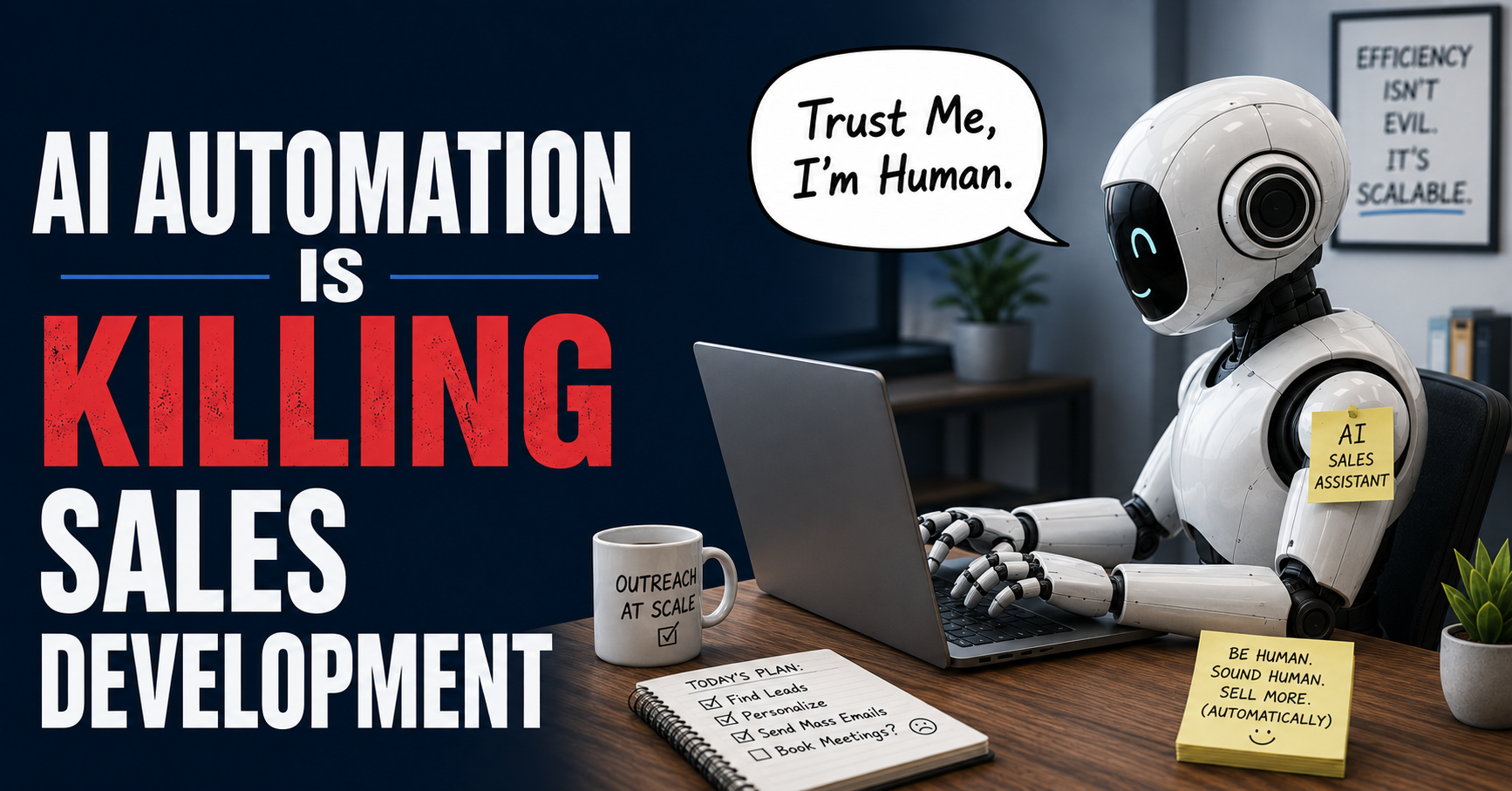
For years, people have been eager to declare it outdated. They call it old school. They say buyers never answer the phone. They assume automation, email, and AI have made live calling irrelevant. But that is not what many real sales teams experience in the field. The truth is simpler and far less dramatic. Cold calling still works. What no longer works is lazy cold calling.
That distinction matters.
In 2026, cold calling is not failing because the channel is broken. It is failing because too many teams treat it like a volume game instead of a research-driven sales motion. They buy oversized lead lists, dial people they know nothing about, rely on poor data, and expect one rushed conversation to produce a meeting. Then, when the results are weak, they blame the phone.
The problem is not the phone. The problem is the process.
If you want cold calling to drive revenue in 2026, the answer is not a better script alone. The answer is better research, better targeting, better preparation, and better follow-up.
Cold Calling Still Works. Bad Cold Calling Does Not.
There is a major difference between saying cold calling works and saying every cold calling campaign works.
A lot of what passes for cold calling today is really just list abuse. Teams buy large sets of data, start dialing immediately, and hope activity creates pipeline. It rarely does. Buyers can feel the lack of relevance almost instantly. They know when a caller has done no homework. They know when they are just another number in a sequence.
That is why bad cold calling gets rejected so quickly.
Good cold calling feels different. It is sharper. It is more informed. It gets to the point faster. It respects the prospect’s time. It sounds like a human being calling for a reason, not a script trying to survive a gatekeeper.
That is also why cold calling still earns meetings. The channel still works because live conversation still matters. A strong call can create clarity quickly. It can uncover fit, disqualify poor opportunities, and open doors faster than a long email thread ever will.
AI call blockers are not the end of cold calling either. If anything, they raise the standard. When a real person can clearly explain who they are, why they are calling, and why the conversation matters, that human signal can stand out even more in a market full of automated noise.
The issue is not whether cold calling works. The issue is whether the team doing it deserves the prospect’s attention.
Why Most Cold Calling Campaigns Fail Before the First Dial
Most cold calling campaigns do not fail on the call. They fail before the rep ever picks up the phone.
They fail in the targeting.
They fail in the list quality.
They fail in the preparation.
One of the biggest mistakes sales teams make is calling people without knowing who they are. They buy data in bulk, trust it too quickly, and assume volume will compensate for lack of precision. It does not. If the contact is wrong, if the number is wrong, if the company is a poor fit, or if the buyer has no reason to care, the call is already lost.
This is where many teams get trapped. They think cold calling is about confidence, charisma, and objection handling. Those things matter, but they are not the foundation. The real foundation is knowing who you are calling and why they are worth calling in the first place.
That means understanding the company, the buyer’s likely role, their business context, and the reason your offer may matter now. Without that, the call becomes generic. And generic calls do not convert.
Bad Lists Create Bad Conversations
A bad list does more than lower conversion rates. It damages the quality of the conversation itself.
When the underlying data is weak, the rep starts every call from a disadvantage. They may be speaking to the wrong person. They may be referencing an outdated role. They may be calling a dead number. Even worse, they may reach a prospect and have nothing intelligent to say because no one prepared them with usable context.
That is how cold calling gets a bad reputation.
It is easy to blame the rep when a conversation falls flat. But a rep can only perform well if the inputs are strong. List quality matters. Data hygiene matters. Account selection matters. Basic prospect research matters.
Before dialing begins, lists should be checked, cleaned, tailored, and verified. That work is not administrative busywork. It is a revenue activity. Every conversation improves when the rep enters it with confidence that the contact makes sense and the company fits the campaign.
Strong cold calling starts long before the phone rings.
Cold Calling Requires Follow-Up, Not One Perfect Pitch
Another common mistake is expecting the first call to do everything.
That is not how real buying behavior works.
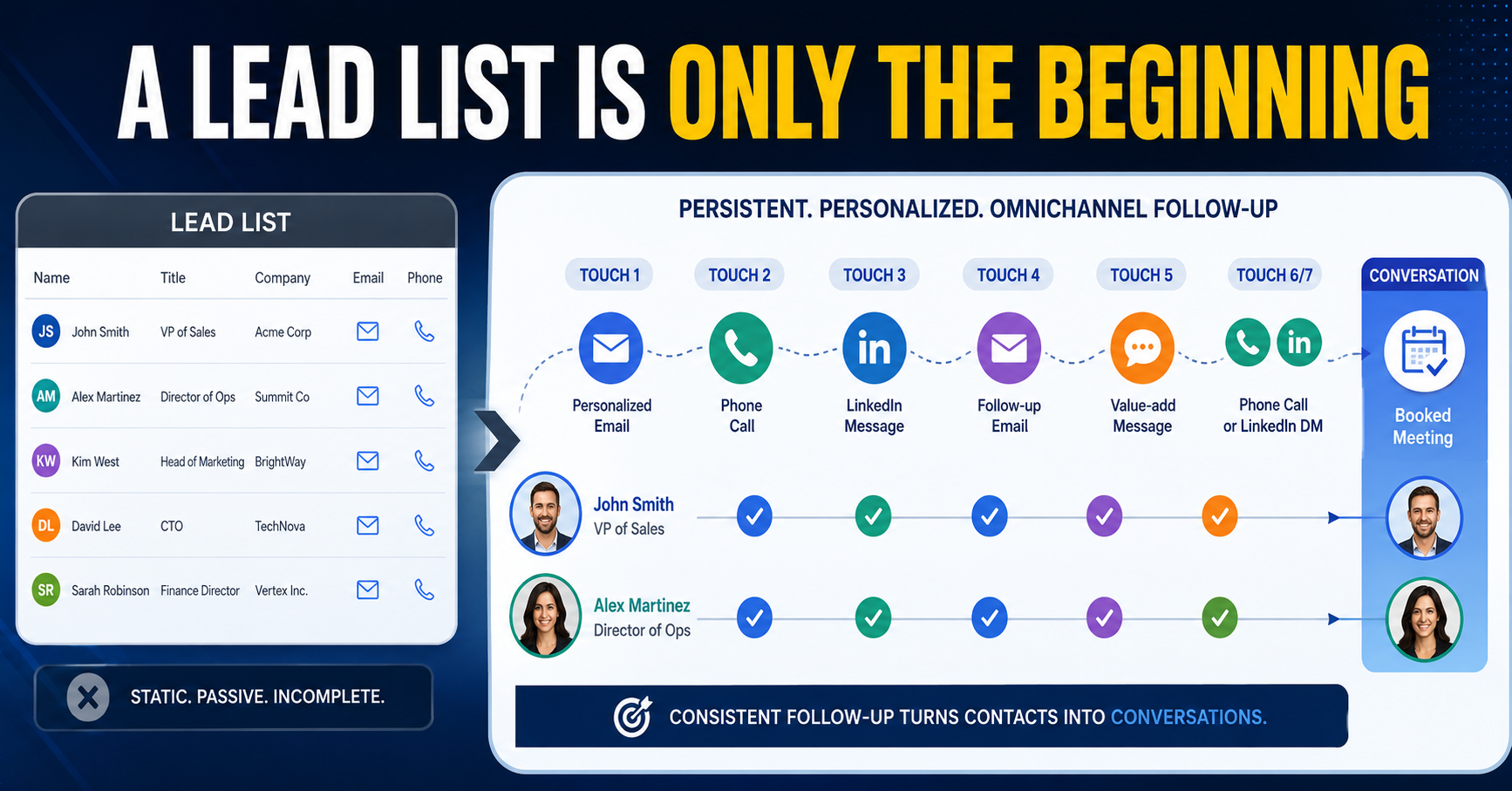
In B2B sales, especially with valuable products and services, the first call is often just the opening. It creates awareness. It establishes relevance. It may start a conversation, surface a problem, or earn permission for the next step. In many cases, the eventual meeting comes from the follow-up, not the first touch.
This is where weak teams give up too early.
They treat cold calling like a one-shot exercise. If the first dial does not produce an instant meeting, they move on. That approach wastes opportunity. It also misunderstands what the best outbound teams know well: persistence works when it is thoughtful, relevant, and human.
Follow-up should not feel like pressure. It should feel like continuation.
A well-run cold calling process uses multiple touches to build familiarity and create timing alignment. The first call introduces the opportunity. The second or third touch often lands because the prospect now recognizes the name, remembers the message, or is in a better position to respond.
Cold calling becomes far more effective when it is part of a broader follow-up system rather than a one-call event.
Stop Trying to Relationship-Build on the First Cold Call
There is another trap that still hurts cold calling performance in 2026: trying to turn a cold call into a long conversation.
Prospects do not want a 20-minute relationship-building exercise with someone they have never spoken to before. They do not want vague probing questions with no context. They do not want a caller pretending the goal is friendship when the goal is clearly business.
They want clarity.
The best cold callers understand this. They do not waste time. They do not overtalk. They do not force a deep sales conversation too early. They get to the point quickly, explain why they are calling, and give the buyer a reason to care.
That directness matters.
It makes the conversation feel honest. It lowers resistance. It shows respect for time. And it creates a much better chance of earning the next step.
The cold call is not the place to perform a full discovery meeting. It is the place to open the door.
Research Is the Real Conversion Engine
This is the most important point in the entire article.
The best cold calling results do not come from the best script. They come from the best research.
That is what separates random activity from real revenue generation.
A mediocre caller with excellent research will usually outperform a highly polished caller working from weak data and no context. Why? Because preparation creates relevance. Relevance creates engagement. And engagement creates meetings.
Research improves almost everything:
- It sharpens targeting.
- It improves opening lines.
- It creates stronger call angles.
- It helps the rep ask better questions.
- It allows the conversation to feel specific instead of generic.
- It gives the buyer evidence that the caller did their homework.
In 2026, this matters even more because buyers are surrounded by automated noise. The prospect can tell when a message is mass-produced. They can tell when a rep is reading from a sequence. They can also tell when a human being has actually looked into their company and has a real reason for reaching out.
That is why research wins.
It is also why certain tactics backfire. Deceptive local dialing can feel manipulative. Unsolicited text messages can feel invasive. AI-driven voice outreach can create compliance risk and brand damage. Aggressive outsourced call center behavior can burn warm leads rather than convert them.
These shortcuts promise scale, but they often destroy trust.
The better approach is simpler. Know the account. Know the person. Know the reason. Call with purpose.
How Salaria Turns Cold Calls Into Revenue
At Salaria, cold calling is not treated as a numbers game. It is treated as a precision game.
That means starting with the right accounts. It means cleaning and tailoring lists before outreach begins. It means researching the companies and understanding why the conversation should happen. It means keeping the call human, direct, and relevant. And it means building thoughtful follow-up instead of relying on one perfect moment.
That is the difference between random dialing and revenue-focused cold calling.
Salaria’s approach is designed around quality conversations, not inflated activity metrics. The goal is not to tell clients that thousands of calls were made. The goal is to create real opportunities with the right prospects and turn those conversations into pipeline.
In a market full of noisy outreach, that approach matters more than ever.
Cold calling in 2026 still works. But the winners are not the teams making the most noise. They are the teams doing the most homework.
Final Thoughts
Cold calling is not dead. It has simply become less forgiving.
The old model of volume-first outreach, weak targeting, and generic conversations is wearing out. Buyers are more aware, more selective, and less patient with irrelevant sales behavior. That means the bar is higher. But higher does not mean impossible. It means better.
If your team wants to turn cold calls into revenue in 2026, start by fixing what happens before the call. Improve the research. Tighten the list. Clarify the message. Respect the buyer’s time. Build a follow-up process. Keep the call human.
That is what makes cold calling work now.
And that is how real pipeline gets built.
Turn Cold Calls Into Qualified Sales Meetings
Cold calling still works when it is targeted, researched, and handled by real sales professionals. Salaria helps B2B companies move beyond random dialing and high-volume outreach by building cold calling campaigns around clean data, account research, human-led conversations, and thoughtful follow-up.
Our team focuses on quality over volume, helping you reach the right decision-makers, start better conversations, and convert more calls into qualified pipeline.
Ready to turn cold calls into revenue? Book a strategy call with Salaria Sales.